Every parent knows that the journey through education starts with a big step: elementary school. But what age do kids actually start this exciting adventure? While some might think it’s a simple answer, the truth is a bit more nuanced.
In some places, kids dive into their academic journey as young as five years old, while others might wait until they’re six. It’s a decision that can feel as monumental as choosing the right superhero costume for Halloween. After all, every child is unique, and finding the right starting point can set the tone for their entire educational experience.
So, buckle up! This guide will navigate the ins and outs of starting elementary school, helping parents make informed decisions while keeping the laughter alive. After all, who said learning can’t be fun?
Understanding Elementary School
Elementary school serves as a foundational stage in a child’s education. Children generally enter this level at ages five or six. Each state may have specific age requirements, affecting when a child can enroll. For example, some districts allow children who turn five by a certain date to begin, while others may have stricter cut-off dates.
School districts often assess readiness through various criteria, including social skills, emotional maturity, and cognitive abilities. Many parents consider these factors when deciding the optimal age for enrollment. Adjusting to a school environment involves developing interpersonal skills and understanding classroom dynamics.
Safety and learning environments in elementary schools focus on fostering growth and curiosity. Curriculum often includes subjects such as reading, math, and social studies. Children typically experience a mix of hands-on activities and structured lessons.
Administrators encourage parental involvement to enhance children’s educational journeys. Staying engaged with teachers and attending school events promotes a positive atmosphere. Research suggests strong parental support contributes significantly to academic success.
Communities also play a role in shaping elementary education. Local resources, such as libraries and after-school programs, supplement classroom learning. Involving children in extracurricular activities further enriches their experiences.
Every child develops at a unique pace, requiring parental empathy and support throughout this transition. Understanding individual readiness helps create a tailored approach to education, ensuring kids thrive during these formative years.
The Typical Age Range
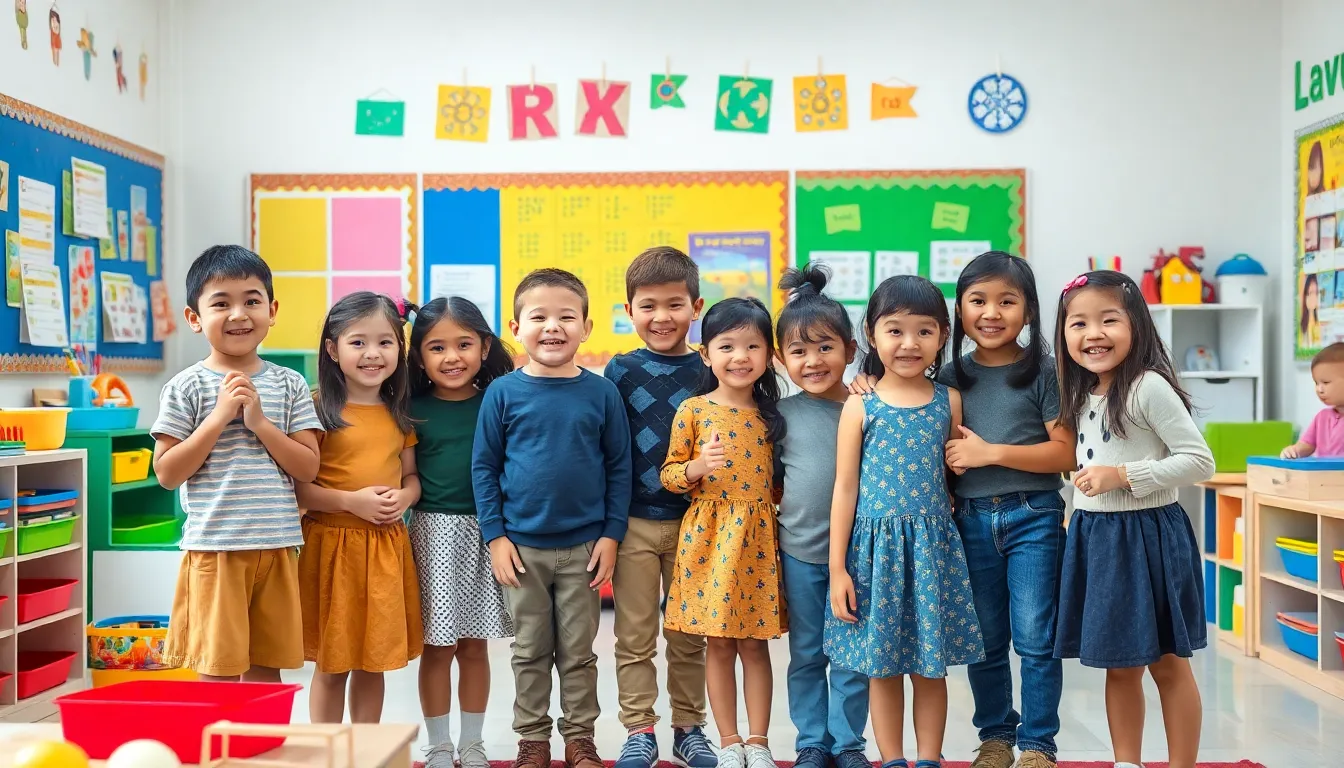
Children typically start elementary school around the ages of five to six. This age range lays the groundwork for educational growth and social development.
Kindergarten Start Age
Kindergarten usually begins for children at age five. Requirements depend on state regulations, as some states allow children to start at four if they meet specific criteria. Parents often assess readiness based on emotional maturity and social interactions. Many schools suggest enrolling children who turn five by a certain date, often aligning with the academic year. Early enrollment may benefit children who demonstrate cognitive readiness, setting a positive tone for their educational journey.
First Grade Start Age
First grade typically starts for children at age six. Children generally progress to this grade after completing kindergarten. Some exceptions exist, allowing children to begin first grade earlier depending on their developmental milestones and school policies. Parents often engage with teachers to discuss their child’s readiness, focusing on academic skills and emotional development. Enrollment can vary based on local district requirements and policies, reflecting the diverse educational landscape across regions.
Factors Influencing Start Age
Various elements determine the age children start elementary school. These factors include regional differences and parental preferences.
Regional Differences
State regulations significantly influence when children enter school. Some states mandate children begin kindergarten at age five, while others permit enrollment as early as four. Local school districts may impose specific cutoff dates. These dates often dictate eligibility based on the age children reach by a certain time in the year. In states with diverse policies, parents may observe students starting at different ages even within neighboring districts. Regional educational practices also integrate local community values, impacting the perception of when a child is ready for school.
Parental Preferences
Parents play a vital role in deciding when their kids start school. Emotional maturity, social skills, and cognitive abilities often guide their choices. Some parents may prefer delaying enrollment to ensure readiness, while others view early entry as beneficial. Parental involvement further contributes to a child’s educational journey, significantly affecting academic success. Community resources and support can sway parents toward a particular decision. Ultimately, every family’s unique circumstances shape their preferences regarding the appropriate age for school enrollment.
Benefits of Starting at the Right Age
Starting elementary school at the appropriate age offers several benefits that enhance a child’s development. Academic readiness emerges as a crucial factor; children entering school at around five or six typically possess better cognitive skills. Social skills often flourish in children who engage with peers during these foundational years, developing important relationship-building abilities.
Emotional maturity plays a significant role in the adjustment process. Kids who start at the right age are more likely to handle the demands of a structured environment, fostering a sense of confidence. Teachers report that students with adequate emotional readiness display better coping strategies in challenging situations.
Enhanced academic performance frequently correlates with starting school at the ideal age. Research shows that students who begin on time achieve higher grades throughout their education. Early intervention programs exist in some districts to support children who may need additional help, thus maintaining their academic trajectory.
Children’s engagement in extracurricular activities benefits from timely school enrollment as well. Participation in clubs, sports, and other programs often starts in the early years and shapes a child’s interests. These activities provide opportunities for personal growth, helping kids to discover their passions and build teamwork skills.
Communication with parents is another advantage of starting at the right age. Adults who understand developmental milestones can offer better support, ensuring their children thrive in the school setting. Open dialogues regarding readiness and emotional needs foster trust and confidence between parents and students.
Beneficial effects extend into long-term educational outcomes. Children who start elementary school at the appropriate age tend to pursue higher education levels. Each of these factors reinforces the importance of weighing options carefully when deciding when to enroll a child in elementary school.
Starting elementary school is a pivotal moment in a child’s life. The age at which children begin this journey can vary widely based on state regulations and individual readiness. Parents play an essential role in this decision-making process, considering factors like emotional maturity and social skills.
It’s crucial for families to stay informed about local policies and to engage in open discussions about their child’s development. By doing so, they can ensure that their child is set up for success in their educational journey. Ultimately, every child’s path is unique, and thoughtful consideration will lead to the best outcomes for their future.