In a world where sharing is caring, Venmo has mastered the art of making money transfers as easy as pie. But wait—what’s this? The dreaded Venmo goods and services fee lurks in the shadows, ready to munch on your hard-earned cash. It’s like finding out your favorite pizza joint charges extra for pepperoni—unexpected and a little bit painful.
Overview of Venmo Goods and Services Fee
Venmo charges a fee for transactions labeled as goods and services. Transactions incur a flat fee of 1.9% plus an additional $0.10 for each payment. Sellers benefit from this option as it offers buyer protection and dispute resolution features.
Receiving payments for goods or services involves added costs that affect the total amount received. A $100 transaction results in a fee of $2.00, leading to a net payment of $98.00 after the fee deduction.
Knowing about these charges is essential when utilizing Venmo for business-related purposes. Many users may overlook this fee during transactions, which can impact their overall revenue.
Transparency plays a crucial role in user experience, as clearer communication regarding fees directly influences satisfaction levels. Venmo’s fee structure differentiates between personal payments and business transactions.
Merchants and service providers frequently rely on Venmo for straightforward payment collection. Users should consider the implications of these charges before deciding on Venmo as their preferred payment method. Understanding these expenses allows for better financial planning and transaction management.
Tracking fees accurately can help avoid unexpected losses. Users need to factor in the goods and services fee when pricing their offerings to maintain profitability.
How the Venmo Goods and Services Fee Works
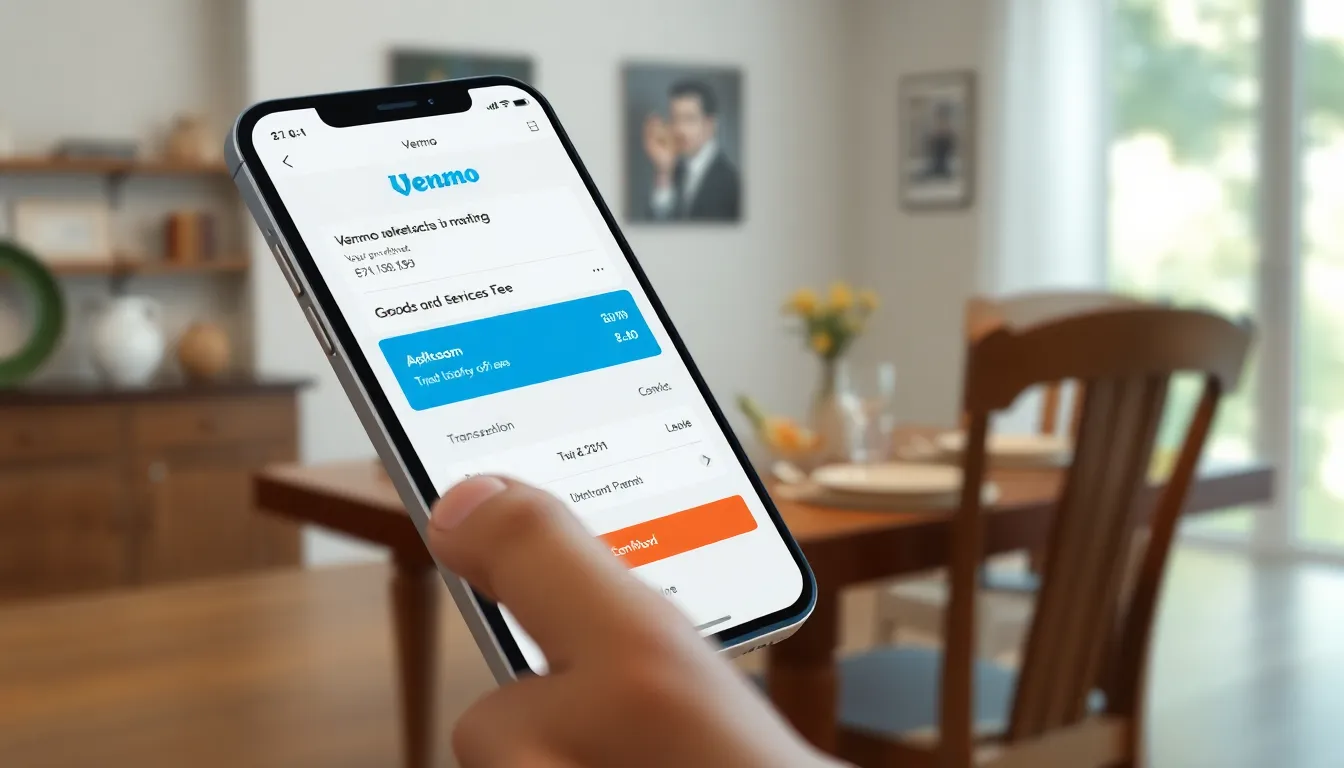
Understanding the Venmo goods and services fee is essential for users engaging in transactions. It’s designed to ensure Venmo can support the platform while processing payments.
Fee Structure Explained
The Venmo goods and services fee is set at 1.9% of the transaction amount, plus an additional $0.10 for each transaction labeled as goods and services. Someone sending $100 incurs a fee of $2.00, leaving the recipient with $98.00. This structure applies to most transactions if they are categorized as goods and services. Clarity around this fee helps users plan their finances effectively. A seller charging $50 for an item would receive approximately $48.40 after fees. Remaining informed about these charges can significantly impact profitability.
Eligibility for Goods and Services Fee
Users should know the criteria for the goods and services fee to avoid surprises. Transactions labeled as personal payments do not incur this fee. Businesses and freelancers primarily use the goods and services option for transactions. Users must select the appropriate category when making payments. Choosing the wrong category may lead to unintended fees. For example, a friend’s payment for dinner labeled as goods and services incurs the fee, whereas a payment marked as personal does not. Understanding these guidelines plays a vital role in financial planning.
Comparison with Other Payment Platforms
Venmo’s goods and services fee stands out among various payment platforms. Understanding these differences can help users choose the right service for their needs.
Venmo vs. PayPal
Venmo and PayPal share similarities, yet their fee structures differ significantly. PayPal charges a 2.9% fee plus $0.30 per transaction for commercial payments, making it more expensive than Venmo for business-related transfers. For example, a $100 payment processed through PayPal incurs a fee of $3.20, leaving just $96.80. Users may find Venmo’s fee of 1.9% plus $0.10 more manageable, especially for smaller transactions where lower fees can add up over time. Despite the difference in fees, both platforms offer convenience, so it’s crucial for users to evaluate how each aligns with their financial activities.
Venmo vs. Cash App
Cash App offers an alternative with a different fee model. While Venmo charges 1.9% plus $0.10 for goods and services, Cash App imposes a 2.75% fee on business transactions. For instance, a $100 payment results in a $2.75 deduction via Cash App, providing users with $97.25. Many users appreciate Cash App’s instant transfer feature, but those engaging in frequent business transactions might prefer Venmo due to its lower fee for similar services. Choosing between these platforms can depend largely on the specific needs and transaction frequency of users.
User Experience and Feedback
Users often express mixed feelings about the Venmo goods and services fee. Understanding the fee structure provides insight into its advantages and disadvantages.
Pros of Using Venmo Goods and Services Fee
Convenience stands out as a primary benefit. Venmo offers a straightforward platform for transactions, allowing users to send and receive payments easily. Additionally, the fee remains lower than competitors like PayPal, promoting a cost-effective option for small businesses. Security also contributes to its appeal; transactions under the goods and services option enjoy buyer and seller protection. This feature fosters trust while engaging in transactions.
Cons of Using Venmo Goods and Services Fee
On the other hand, the goods and services fee can catch users off guard. Unexpected deductions occur, as illustrated by a $100 transaction leading to a $2.00 fee, resulting in significant revenue loss for sellers. Many users may overlook the fee’s implications during financial planning, leading to budgetary challenges. Transparency issues also arise, with some users feeling uninformed about the additional charges before confirming a transaction. Prioritizing awareness can help mitigate these concerns and enhance the overall user experience.
Best Practices for Using Venmo for Goods and Services
Understanding the Venmo goods and services fee is essential for users engaging in business transactions. Users should select the “goods and services” option for relevant transactions, as this designation triggers the applicable fees. Mislabeling payments as personal can result in avoiding the fee structure, leading to unexpected charges in financial planning.
Maintaining transparency about fees improves trust among users. Venmo’s fee consists of 1.9% of the transaction amount plus $0.10 per payment. Sellers must account for this fee during pricing, especially when charging clients for goods or services. For instance, a seller needing $100 in revenue must charge $102.10 to cover the fee, ensuring no loss occurs.
Staying informed about fee policies remains important. Regularly reviewing updates from Venmo can prevent users from encountering surprises. Users can also explore transaction history to monitor fees incurred during the transfer process.
Comparing Venmo with other platforms helps users make informed decisions. While Venmo’s fees are lower than PayPal’s (2.9% plus $0.30) and Cash App’s flat 2.75%, understanding each platform’s fee structure is vital for maximizing profit margins. Using this knowledge, users can choose the right platform based on frequency of transactions and specific needs.
Educating clients about the fee system boosts satisfaction. Clear communication regarding potential fees can help manage expectations and build stronger relationships. Offering upfront information acts as a proactive strategy, preventing misunderstandings that might lead to customer dissatisfaction.
Lastly, monitoring user feedback allows ongoing improvement in transaction experiences. Addressing common concerns about fees fosters trust and loyalty among existing customers, resulting in a more positive reputation for sellers using Venmo for goods and services.
Understanding the Venmo goods and services fee is crucial for anyone using the platform for business transactions. This fee can significantly impact the amount received and may catch users off guard if they’re not aware. By selecting the correct transaction type and pricing goods or services accordingly, sellers can mitigate potential losses.
Staying informed about fee structures and communicating transparently with clients fosters trust and enhances the user experience. As Venmo continues to evolve, users should keep an eye on updates and feedback to ensure they’re making the most of their transactions. With the right knowledge and practices, users can navigate the Venmo payment landscape effectively.