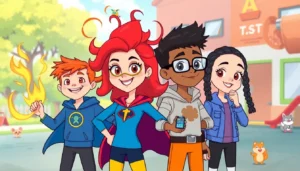
Imagine embarking on an adventure where every clue leads to laughter and excitement. Treasure hunt riddles are the perfect way to turn an ordinary day into an unforgettable quest. Whether you’re planning a birthday party or just looking to spice up a family gathering, these brain-teasers will keep everyone on their toes and giggling along the way.
Overview of Treasure Hunt Riddles
Treasure hunt riddles serve as creative puzzles that guide participants to various locations, culminating in a hidden prize. These riddles vary in complexity, catering to different age groups and skill levels. They might involve wordplay, logic, or clues that require lateral thinking, ensuring everyone can join in the fun.
Planning events around treasure hunt riddles promotes teamwork and fosters communication among participants. Engaging in these activities encourages critical thinking and problem-solving skills while creating memorable experiences for everyone involved. The interactive nature of riddles makes them perfect for social gatherings, birthdays, or school events.
Participants often experience excitement and anticipation as they solve each riddle, leading them closer to the treasure. Variety in riddles keeps the activity fresh, ensuring no two treasure hunts feel the same. Incorporating themed riddles related to the event or location adds an extra layer of enjoyment.
Riddles can vary from straightforward to elaborate, allowing hosts to customize them based on participants’ preferences. Each clue can lead to the next location, creating a seamless flow that enhances player engagement. Utilizing different types of riddles enriches the overall experience.
Incorporating treasure hunt riddles into activities not only entertains but also strengthens bonds among friends and family. Crafting challenging yet solvable riddles provides an excellent balance of difficulty and fun, keeping everyone motivated and invested in the hunt. Participants likely appreciate the sense of accomplishment when they solve each riddle, making the adventure even more enjoyable.
Types of Treasure Hunt Riddles

Treasure hunt riddles come in various types, catering to different age groups and skill levels. The variety keeps participants engaged and ensures everyone can enjoy the adventure.
Easy Riddles
Easy riddles target younger participants or those new to riddles. They often use simple language and straightforward clues. An example is: “I’m round and yellow and can brighten your day. What am I?” The answer is “the sun.” Such riddles encourage participation and foster confidence, paving the way for solving more complex puzzles later.
Medium Riddles
Medium riddles introduce a bit of challenge, offering a mix of wordplay and logic. They require deeper thinking and are suitable for tweens or adults. A sample riddle could be: “Forward I am heavy, but backward I am not. What am I?” The answer here is “ton.” These riddles promote collaboration among participants, enhancing the social aspect of treasure hunts.
Hard Riddles
Hard riddles pose significant challenges, requiring critical thinking and problem-solving skills. Advanced participants often tackle these to test their limits. Consider a riddle like: “I speak without a mouth and hear without ears. I have no body, but I come alive with the wind. What am I?” The answer is “an echo.” Such riddles spark excitement and can lead to epic moments of triumph when solved, enriching the treasure hunt experience.
Popular Themes for Treasure Hunts
Treasure hunts become more exciting with themed riddles that enhance the experience. Various themes appeal to different interests and age groups.
Adventure Themes
Adventure themes add thrill to treasure hunts. Riddles may involve exploration of jungles or quests for pirate gold. Participants can immerse themselves in stories of explorers, treasure maps, and legendary quests. Locations may include parks or backyards that resemble exotic terrains. Incorporating adventure-themed props like compasses or maps elevates excitement and engagement. Teams work together to solve clues tied to adventurous narratives, creating memorable challenges throughout the hunt.
Mystery Themes
Mystery themes invite participants to solve enigmatic puzzles. Creating a storyline around detectives or secret agents heightens intrigue and challenges critical thinking. Clues often lead to hidden messages or cryptic symbols that participants must unravel. Assigning roles such as detective or informant could enhance the immersive experience. Elements like decoders or invisible ink can add layers of complexity. Engaging in this environment encourages teamwork as players collaborate to uncover the final prize.
Holiday Themes
Holiday themes transform ordinary hunts into festive celebrations. Incorporating seasonal elements like Halloween or Christmas enhances the fun factor. Riddles can reference holiday traditions or popular symbols, inviting players into the spirit of the occasion. Clues may lead to hidden treats or decorations, creating an interactive environment filled with joy. Using festive props such as Easter eggs or Halloween pumpkins makes the hunt visually appealing. Participants bond while embracing holiday cheer and solving problems presented by the themed riddles.
Crafting Your Own Treasure Hunt Riddles
Creating treasure hunt riddles taps into creativity and language skills. Engaging riddles motivate participants and provide a sense of accomplishment.
Tips for Writing Riddles
Start with a clear theme to guide the riddle’s context. Choose words that resonate with participants, making the riddle relatable. Use concise language to enhance clarity while maintaining an element of mystery. Encourage players to think critically by incorporating wordplay or logical challenges. Balance complexity with accessibility to ensure everyone can participate and enjoy the hunt. Review your riddles, and adjust them for flow and coherence. Test the riddles with a small audience before the main event to gauge difficulty and engagement.
Incorporating Answers
Answers play a crucial role in the riddle experience. Ensure that each answer matches the associated clue, creating a seamless flow from riddle to solution. Consider placing answers in fun locations that relate to the riddle theme, encouraging exploration. Provide hints or clues when necessary to maintain engagement without overwhelming participants. Utilize simple language to ensure clarity in the answers. After revealing answers, celebrate the accomplishments of participants, enhancing their sense of success and enjoyment.
Engaging Participants in Treasure Hunts
Engagement in treasure hunts hinges on strategic riddle selection and the environment created by hosts. Customizing riddles according to participants’ interests enhances their enjoyment, making puzzles more relatable. Incorporating different difficulty levels ensures everyone, from beginners to experts, remains involved and challenged.
Promoting teamwork is essential for a successful hunt. Participants often collaborate to solve riddles, fostering communication and camaraderie. Group dynamics play a significant role; mixed-age teams can help balance different skills and perspectives, creating a richer experience.
Utilizing thematic elements brings excitement and context to the treasure hunt. Adventure scenarios encourage imaginative participation while mystery themes spark curiosity and problem-solving. Holiday-themed hunts introduce festive flair, capturing the spirit of the season and enhancing collective enjoyment.
Scripts or narratives accompanying the riddles can boost engagement. Constructed stories weave participants deeper into the experience, giving context to their tasks and encouraging immersion. This narrative aspect transforms simple puzzle-solving into an engaging adventure.
Celebrating achievements after solving riddles strengthens motivation. Acknowledging individual contributions fosters a sense of accomplishment. Rewards, even simple ones, amplify excitement and encourage a positive atmosphere throughout the hunt.
Emphasizing clues with clear instructions keeps the hunt moving smoothly. Providing hints ensures participants don’t become frustrated when facing challenging riddles. Timing the hints correctly maintains engagement without diminishing the thrill of discovery.
Each of these strategies intertwines to create a memorable treasure hunt experience. Thoughtful planning and attention to detail transform riddles into tools for connection, joy, and shared adventure, making every hunt a remarkable journey.
Treasure hunt riddles offer a unique blend of fun and challenge that can elevate any gathering. They encourage teamwork and critical thinking while creating lasting memories among friends and family. By tailoring the riddles to suit different skill levels and interests, hosts can ensure an inclusive experience that keeps everyone engaged.
Themed hunts add an extra layer of excitement, immersing participants in captivating narratives. As they solve each riddle and uncover hidden treasures, the sense of accomplishment enhances the overall enjoyment. Incorporating these riddles into events transforms ordinary moments into extraordinary adventures, making them a must-try for anyone looking to spice up their celebrations.