In a world where kids are glued to screens more than ever, innovative programs for elementary students are the secret sauce to keeping their minds active and engaged. Imagine a place where learning feels like a thrilling adventure instead of a chore. These programs don’t just teach subjects; they spark curiosity, creativity, and a love for knowledge that lasts a lifetime.
Overview of Programs for Elementary Students
Innovative programs for elementary students address the need for engaging learning experiences. Curriculum-integrated activities often spark curiosity and creativity. Hands-on science experiments, interactive math games, and reading initiatives foster a passion for learning.
Many schools implement programs that promote collaboration among peers. Group projects and cooperative learning encourage teamwork and communication skills. Extracurricular activities, such as art classes and music lessons, enhance self-expression and critical thinking.
Technology also plays a significant role in modern programs. Coding clubs introduce students to programming concepts at an early age. Online resources and educational apps provide interactive learning opportunities outside the classroom.
Culture and diversity shine through programs that celebrate different backgrounds. Language immersion classes expose students to new languages while teaching about global cultures. History projects that focus on local heritage instill pride and awareness in young learners.
Students benefit from programs designed to support mental health and well-being. Social-emotional learning initiatives help build resilience and empathy. Mindfulness activities promote focus and reduce stress, enhancing overall educational experiences.
Research shows that such programs lead to improved academic performance. According to the National Center for Education Statistics, students engaged in enriched learning environments often excel in various subjects. Assessments reveal that these programs contribute to better problem-solving skills and higher retention rates.
Overall, engaging programs for elementary students play a crucial role in shaping confident learners. They blend education with excitement, ensuring children develop skills that extend beyond academic knowledge.
Types of Programs Available
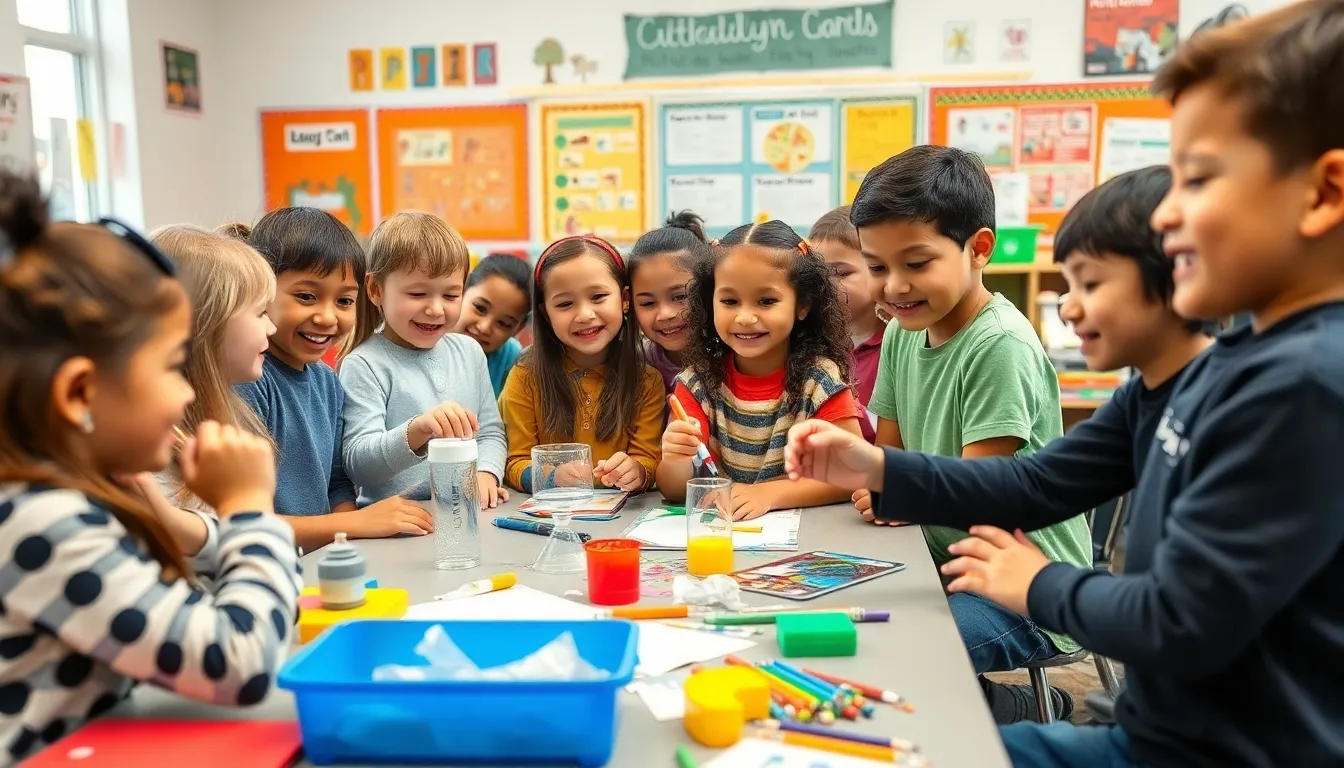
Engaging programs for elementary students come in various forms, all designed to enhance educational experiences. Each type plays a significant role in fostering growth and development.
Academic Enrichment Programs
Academic enrichment programs focus on enhancing core subjects like math, science, and language arts. Through specialized workshops, students explore topics more deeply. These programs often feature hands-on activities that promote critical thinking. Real-world applications help students connect concepts with everyday life. Research shows that participation in such programs leads to higher academic performance and greater enthusiasm for learning. Many schools partner with outside organizations to deliver these enriching experiences.
After-School Programs
After-school programs provide structured environments where students can engage in educational and recreational activities after regular school hours. Activities range from tutoring sessions to sports and arts and crafts. These programs encourage social interaction and help develop important life skills. Safety and supervision remain top priorities within these settings. Studies indicate that involvement in after-school programs boosts students’ self-esteem and fosters a sense of community. Parents often appreciate these programs for their flexibility and positive impact.
Summer Camps
Summer camps offer immersive experiences that combine fun with learning during school breaks. Camps often emphasize skill-building activities such as sports, science experiments, and creative arts. Outdoor adventures instill a love for nature and promote teamwork among peers. Many camps operate on a theme, allowing students to delve into specific subjects like environmental science or theater. Participation in summer camps helps prevent the summer learning loss that can occur during extended breaks. Families frequently seek camps that align with their children’s interests to keep them engaged and active.
Benefits of Programs for Elementary Students
Engaging programs for elementary students offer multiple benefits. They play a critical role in holistic development by enhancing social, academic, and emotional growth.
Social Skills Development
Social skills emerge through interactive activities. Collaborative projects foster teamwork, allowing students to communicate and share ideas. Group tasks encourage respect for diverse perspectives, strengthening relationships among peers. Through participation in these programs, children also learn conflict resolution and negotiation tactics, crucial skills for future success. Strong social skills positively impact classroom dynamics, contributing to a nurturing learning environment.
Academic Improvement
Academic performance often improves due to hands-on learning. Programs that integrate subjects with real-world applications make lessons more relatable. Engaging activities enhance retention rates by promoting active participation. Research shows that students who participate in innovative programs demonstrate higher grades in core subjects like math and reading. Continuous engagement helps develop critical thinking, making learning enjoyable while boosting overall confidence in academic abilities.
Emotional Well-Being
Emotional health benefits significantly from these programs. Initiatives focused on social-emotional learning teach children to manage feelings effectively. Mindfulness activities help students build resilience against stress, promoting a positive perspective. Programs that encourage self-expression in creative outlets boost self-esteem. Overall, a focus on emotional well-being nurtures a supportive atmosphere, allowing students to thrive both personally and academically.
How to Choose the Right Program
Choosing the right program involves understanding specific needs and logistical considerations for elementary students. It’s essential to evaluate both academic and emotional support within available options.
Assessing Student Needs
Identify unique learning styles when assessing student needs. Some students thrive in hands-on environments, while others excel in structured settings. Academic enrichment programs often cater to specific subjects, enhancing skills through engaging activities. Emotional support initiatives provide necessary assistance in social-emotional learning, contributing to resilience and self-esteem. Prioritize programs that encourage curiosity and creativity while also addressing mental health aspects. Gathering feedback from teachers and parents can provide invaluable insights in determining the best fit for each child.
Considering Program Locations
Evaluate convenience when considering program locations. Proximity to home and school can significantly affect participation. After-school and summer programs should ideally be accessible, promoting effortless attendance. Facilities that offer safe, welcoming environments foster positive experiences for children. Locations with outdoor spaces can enhance educational opportunities through nature-based activities. Review transportation options, ensuring reliable means of getting children to and from programs. Balancing location with quality ensures students benefit fully from the experiences provided.
Engaging programs for elementary students are vital in today’s educational landscape. They not only make learning enjoyable but also nurture essential skills that students will carry into their futures. By blending academic rigor with creativity and emotional support, these programs foster well-rounded individuals.
Choosing the right program involves understanding each child’s unique needs and preferences. With a variety of options available, parents and educators can find opportunities that resonate with students, ensuring they thrive both academically and socially. Ultimately, these enriching experiences lay the groundwork for lifelong learning and personal growth.