Elementary school is a world where imagination runs wild and snack time is sacred. It’s a magical place where kids trade Pokémon cards like Wall Street brokers and navigate the complexities of friendship with the finesse of seasoned diplomats. In this bustling environment, young minds blossom, discovering everything from the joys of math to the art of dodging dodgeballs.
But let’s face it: elementary school isn’t just about academics. It’s a crash course in life skills, where kids learn to share crayons, negotiate the best swings on the playground, and develop an impressive repertoire of knock-knock jokes. As they embark on this adventure, they’re not just learning to read and write; they’re crafting the foundation for their future. So buckle up as we explore the delightful chaos of elementary school and uncover why these years are truly unforgettable.
The Importance of Kids in Elementary School
Elementary school plays a pivotal role in child development. This stage nurtures intellectual growth through foundational subjects such as math, reading, and science. Personal skills also flourish during these years, highlighting the significance of social interactions. Collaborating on group projects teaches teamwork. Navigating friendships helps develop conflict resolution abilities.
Creativity finds expression in art and music classes, allowing kids to explore their talents. Physical education encourages health and fitness, promoting active lifestyles. Literacy becomes essential, laying the groundwork for effective communication in later years. Engaging with diverse peers fosters inclusivity and empathy.
An environment rich in playful learning makes education enjoyable. Structured routines provide a sense of stability, contributing to emotional resilience. Positive reinforcement by teachers sets the tone for a love of learning that lasts a lifetime.
Support from families reinforces the skills kids acquire in school. Open communication between parents and teachers builds a collaborative effort to enhance student success. Schools often host events that engage families, strengthening community ties.
Data from the National Center for Education Statistics shows that early education effectively impacts future academic performance. Kids who thrive in elementary school often excel in higher education. The atmosphere fosters lifelong friendships and connections that extend beyond the classroom. Investing in a child’s elementary experience holds lasting benefits, making these years crucial in shaping well-rounded individuals.
Developmental Milestones for Kids in Elementary School
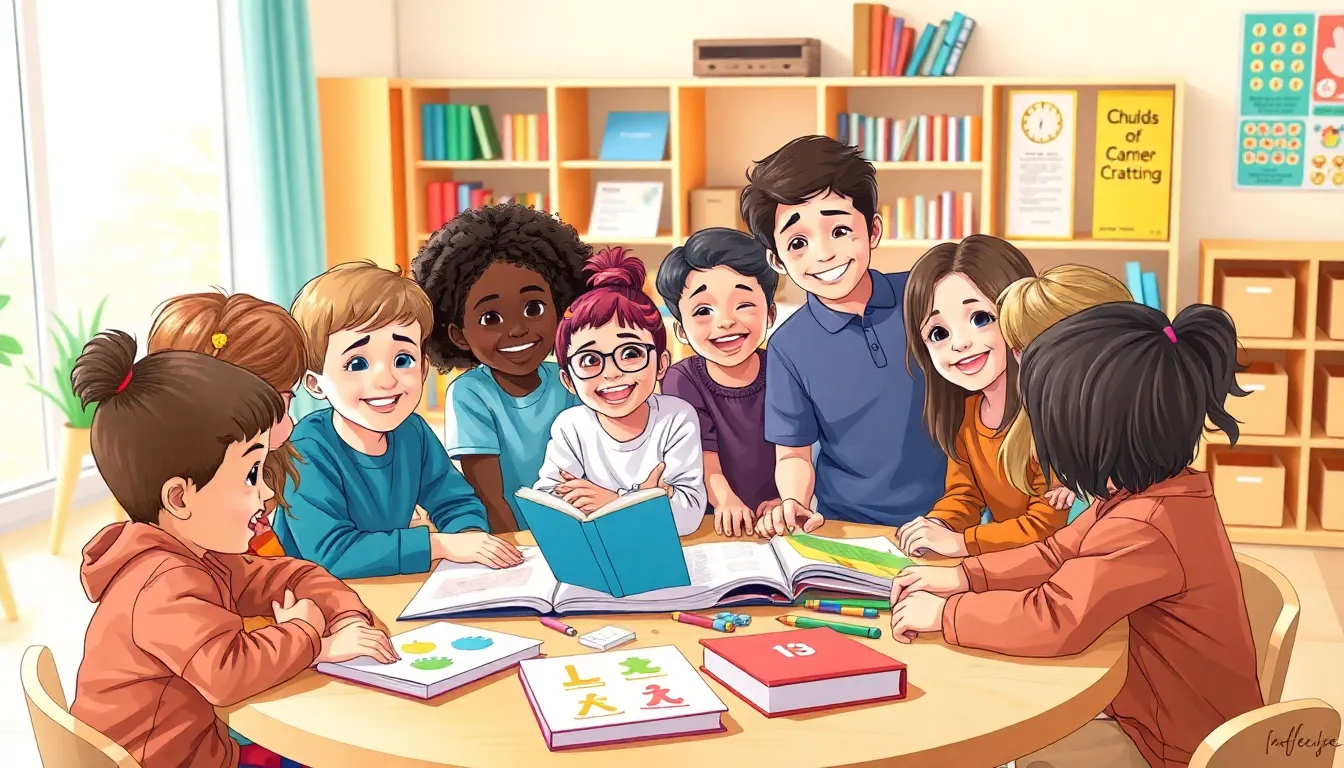
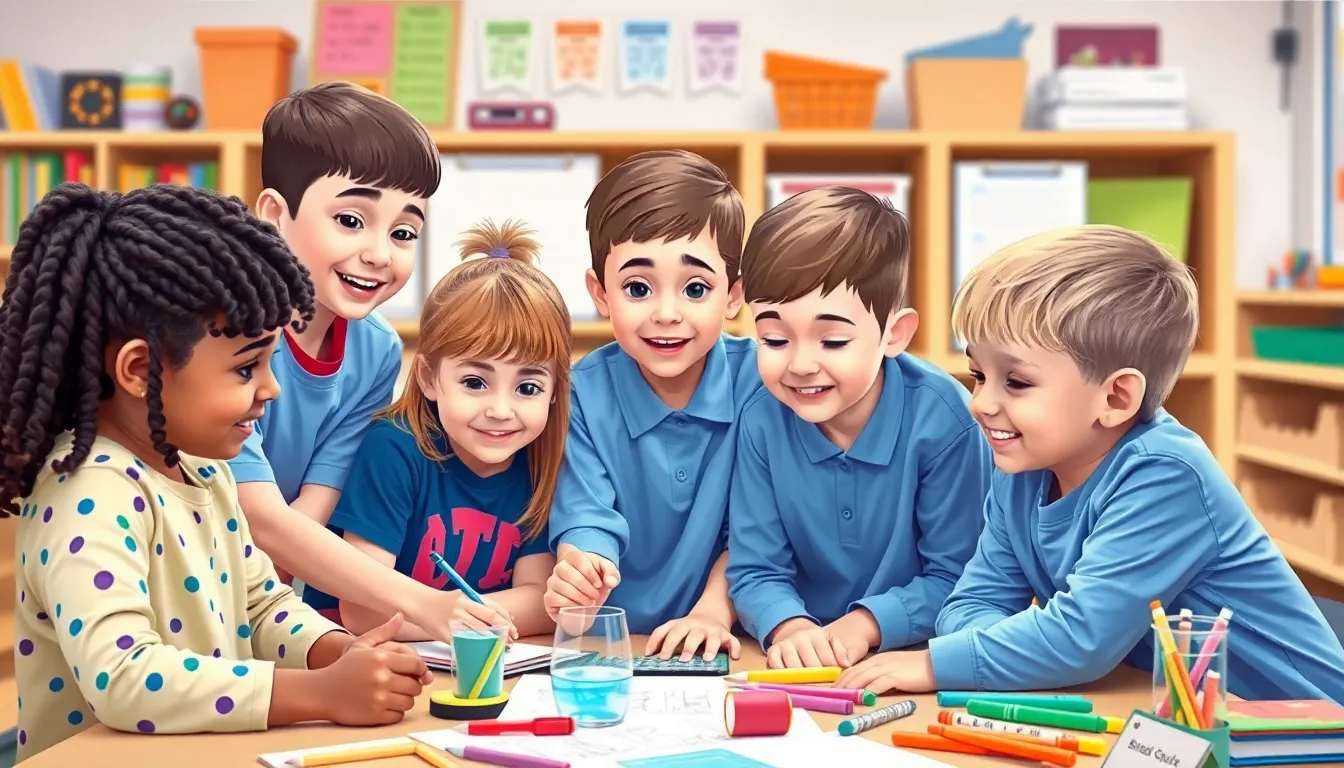
Children in elementary school reach significant developmental milestones that shape their growth. These milestones encompass various domains, including cognitive and social skills.
Cognitive Development
Cognitive development in elementary school includes enhancing critical thinking and problem-solving abilities. Kids engage with subjects like math and reading, fostering logical reasoning. Daily activities challenge them to process information and develop comprehension. By interacting with diverse texts, children expand their vocabulary and improve literacy. Group projects also stimulate collaborative thinking, teaching them to approach problems from multiple perspectives. Research by the National Center for Education Statistics highlights how early cognitive skills predict later academic success. Engaging in science and technology reinforces experimentation and inquiry, solidifying a base for lifelong learning.
Social Skills Development
Social skills development in elementary school forms vital relationships and effective communication. As children navigate friendships, they learn empathy and conflict resolution. Participation in team sports or cooperative learning fosters teamwork, allowing kids to appreciate diverse opinions. Teachers often encourage sharing ideas during discussions, cultivating confidence in expressing oneself. Regular group activities enhance peer interactions, promoting inclusivity. According to studies, positive social experiences during these years significantly impact future interpersonal skills. Moreover, family engagement during school events strengthens community ties and enhances children’s social networks. These interactions establish a foundation for healthy relationships in adulthood.
Educational Approaches for Kids in Elementary School
Educational approaches in elementary school shape children’s foundation for future learning. Two prominent methods stand out: traditional and alternative.
Traditional vs. Alternative Methods
Traditional methods emphasize direct instruction and standardized testing. They often rely on textbooks and structured classroom settings. Students learn fundamental skills through lectures and teacher-led activities. In contrast, alternative methods focus on student-centered learning. Experiential activities encourage critical thinking and creativity. Schools adopting project-based learning allow kids to explore subjects deeply. According to studies, students in alternative settings often demonstrate higher engagement and enthusiasm for learning. The shift towards diverse educational models caters to varied learning styles and fosters a nurturing environment.
Integrating Technology in Learning
Technology integration enhances educational experiences for elementary students. Interactive tools like smartboards and tablets make lessons more engaging. These devices allow for multimedia presentations that cater to different learning preferences. Digital resources, such as educational apps and online platforms, provide additional support outside the classroom. Engaging with technology helps develop critical skills needed for the future. Research shows that students exposed to technology in their early years adapt better to digital environments later in life. Balancing technology use with face-to-face interactions ensures a well-rounded educational experience.
Challenges Faced by Kids in Elementary School
Children in elementary school encounter various challenges that can impact their development and well-being. These challenges span academic pressures and social dynamics, which play significant roles in shaping their experiences.
Academic Pressure
Academic pressure significantly affects children in elementary school. Expectations from teachers and parents can create stress, particularly regarding performance in foundational subjects. Struggling with specific tasks like math or reading may lead to anxiety, reducing overall confidence. Structured testing often escalates this pressure, as students compare themselves to peers. Research shows that high-stakes assessment environments contribute to feelings of inadequacy in many students. Teachers advocating for a balanced approach encourage learning without excessive stress. Supporting students through personalized learning plans may alleviate academic pressure while fostering mastery of essential skills.
Social Dynamics and Bullying
Social dynamics represent another critical challenge for elementary school children. Forming friendships can be complex, with some students navigating cliques, exclusion, or peer pressure. Bullying can emerge in these circumstances, leading to emotional distress and isolation for victims. Statistics reveal that nearly 20% of students experience bullying annually, affecting their mental health and academic performance. In response, schools have implemented anti-bullying policies and programs promoting inclusivity and empathy. Teachers trained to identify and address bullying foster a supportive classroom environment. Additionally, encouraging open communication between students and educators significantly aids in addressing these social issues.