In a world where kids trade their toys for textbooks, the idea of older elementary school kids in diapers might raise a few eyebrows. But before you picture a classroom filled with mini adults sporting baby gear, let’s take a moment to explore this unique phenomenon. It’s not just about comfort or convenience; it’s a topic that touches on challenges many families face, from special needs to medical conditions.
Imagine a scenario where a child, despite being in the fifth grade, finds themselves in a situation that requires a little extra help. The laughter and eye-rolls might come from peers, but understanding the reasons behind this choice can foster empathy and awareness. Dive into this enlightening discussion that blends humor with heartfelt insights, proving that every child deserves dignity—no matter their circumstances.
Understanding Diaper Use in Elementary School Kids
Diaper use among older elementary school children can occur for various reasons. Understanding these needs is crucial for fostering an environment of support and acceptance.
Reasons for Diaper Use
Medical conditions frequently contribute to the necessity of diaper use. Children with autism often face challenges that inhibit their ability to communicate bathroom needs. Some children experience physical disabilities that hinder their mobility. Chronic illness or bladder control issues may also require continued diaper use. Parents and caregivers play a vital role in managing these circumstances, ensuring their children receive the assistance they require. Awareness of these conditions fosters compassion in peers, making school environments more inclusive.
Societal Perceptions and Stigmas
Perceptions surrounding diaper use can significantly impact children’s emotional well-being. Many individuals view diapered children as different, leading to stigmatization. Fear of bullying often arises from a lack of understanding among peers. Overcoming these stigmas requires education and empathy to facilitate acceptance. Conversations about bodily functions can normalize diaper use in school settings, encouraging inclusivity. Schools should promote awareness campaigns that highlight the importance of kindness towards every child, creating a supportive atmosphere for all students.
The Impact on Kids’ Social Life
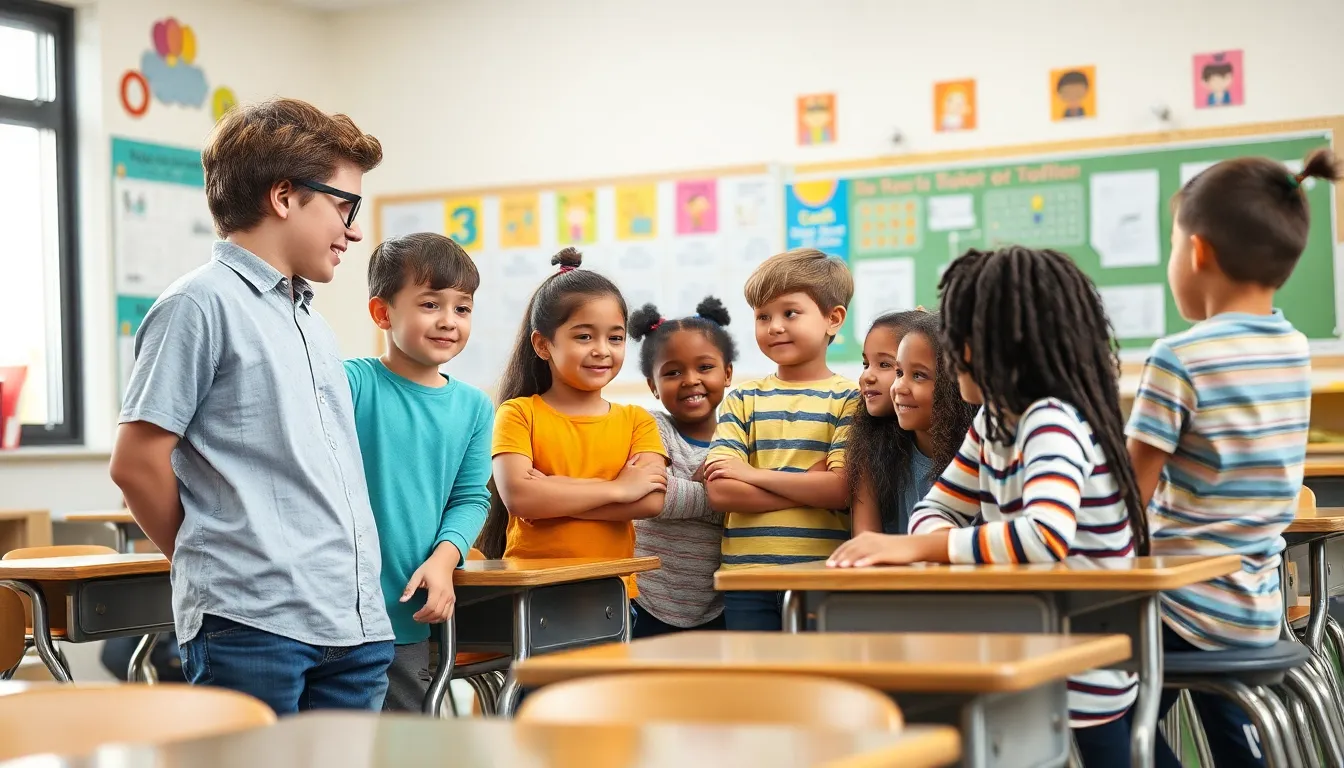
Older elementary school kids in diapers often face unique social challenges. Their experiences can shape peer relationships and coping mechanisms in significant ways.
Peer Relationships
Peer relationships may become strained due to misunderstandings about diaper use. Classmates might react with curiosity or teasing, leading to feelings of isolation. Positive interactions, however, can arise when peers demonstrate understanding and compassion. Teachers play an important role in facilitating discussions to promote awareness. Initiatives that emphasize kindness and inclusivity can help foster stronger connections among students. Understanding peers may develop supportive friendships, helping to counteract any negative reactions.
Coping Mechanisms
Coping mechanisms vary among older kids who wear diapers based on individual circumstances. Some children find comfort in discussing their experiences with trusted adults. Others may engage in activities that help them redirect attention from their diaper use. Seeking support from family and peer groups can create a sense of community. Structured school programs focusing on empathy building can encourage resilience. Developing strategies allows these children to manage social situations confidently, emphasizing strength over stigma.
Support Systems Available
Support systems play a crucial role in helping older elementary kids who wear diapers. Access to resources can significantly enhance their school experience and overall well-being.
Parental Guidance
Parents serve as essential advocates for their children. They can communicate openly with school staff about specific needs. Establishing clear expectations ensures that everyone understands what support is necessary. Knowledge starts with keeping informed about medical conditions associated with diaper use. Ongoing conversations with healthcare professionals provide valuable insights. Parents may also connect with other families facing similar challenges to share experiences and strategies. Seeking out support groups can offer additional emotional and practical assistance.
School Resources
Schools can implement various resources to assist older children wearing diapers. Staff training on special needs fosters a more inclusive environment. Implementing awareness campaigns educates students about the reasons behind diaper use. This education helps reduce stigma and encourage empathy. Designated health professionals should be available to address any specific concerns. Teachers can create supportive classrooms by facilitating discussions on diversity. Additionally, counselors can provide mental health support, helping children navigate social challenges related to diaper use. Schools can form partnerships with local organizations to enhance resource availability and community engagement.
Individual Case Studies
Individual case studies illustrate the unique experiences of older elementary school children in diapers. Each story sheds light on the various dynamics at play.
Success Stories
Numerous success stories highlight the positive outcomes for children in this situation. A boy named Jason thrived in a supportive school environment with understanding teachers. Parents advocated for a tailored approach, helping him feel included during class activities. Another girl, Mia, found her peers became more supportive after a school awareness campaign. Encouraging discussions led to friendships that positively impacted her self-esteem. Schools that implement inclusive programs often witness improvements in social interactions among students. These success stories showcase how empathy and awareness can transform the experiences of older kids in diapers.
Challenges Faced
Older elementary school kids in diapers encounter significant challenges. Teasing or misunderstanding from peers often leads to feelings of isolation. Some children struggle with self-esteem due to societal stigmas associated with diaper use. Parents report difficulty in communicating their children’s needs to school staff. Navigating day-to-day activities becomes a source of anxiety for many. Limited access to resources further complicates the situation. Caregivers may feel overwhelmed trying to advocate for their children in school settings. These challenges underline the urgent need for greater awareness and support to foster inclusivity.
Understanding the experiences of older elementary school kids in diapers is crucial for fostering a compassionate and inclusive environment. By promoting awareness and empathy among peers and educators, schools can significantly improve the emotional well-being of these children. Support systems that include open communication between parents and school staff can empower families and enhance children’s experiences.
Encouraging kindness and understanding can help dismantle stigmas and create a safe space for all students. Every child deserves dignity and respect, regardless of their circumstances. With collective efforts, communities can ensure that all children thrive, embracing their unique needs and fostering resilience.