Elementary school classes are the building blocks of a child’s education, laying the foundation for future learning and growth. Picture a room filled with tiny chairs, colorful posters, and the unmistakable scent of crayons—this is where curiosity meets creativity. From math to science and everything in between, these classes spark a lifelong love for learning while keeping kids engaged and entertained.
Overview of Elementary School Classes
Elementary school classes play a crucial role in early education. These classes introduce foundational subjects that shape a child’s academic journey. Typically, students engage in core subjects such as math, English, science, and social studies.
Math classes emphasize problem-solving skills and basic arithmetic. Concepts like addition, subtraction, multiplication, and division form the building blocks for more advanced mathematics.
English classes focus on reading, writing, and comprehension. Students explore various genres of literature and practice writing through creative projects and structured assignments.
Science classes foster inquiry-based learning. Students conduct experiments and learn about the natural world, promoting observation and critical thinking skills. Hands-on activities enhance understanding of scientific concepts.
Social studies classes introduce children to their community and the world. They learn about cultures, geography, and historical events, promoting social awareness.
Art and music classes contribute to a well-rounded education. Students express creativity through various forms of art and learn about rhythm and melody in music class.
Physical education classes encourage physical activity and teach teamwork. Activities range from games to sports, promoting health and fitness.
Technology classes integrate digital literacy into the curriculum. Students gain skills in using computers and other devices, preparing them for a technology-driven world.
Overall, elementary school classes create a dynamic learning environment. Teachers strive to engage students and foster a love for learning.
Curriculum Structure
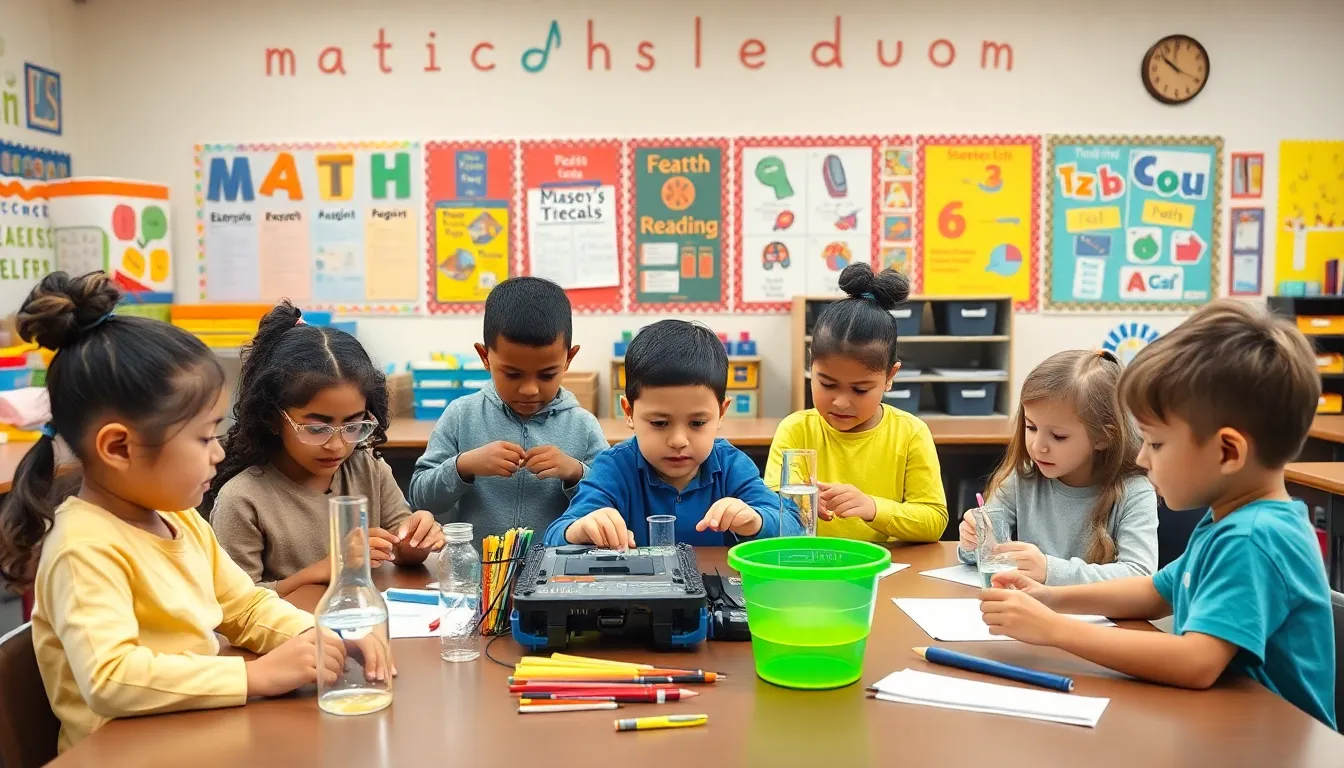
The curriculum structure of elementary school classes provides a comprehensive framework that supports diverse learning experiences. This structure includes core subjects and elective options, ensuring a well-rounded education.
Core Subjects
Core subjects form the foundation of elementary education. Math focuses on developing problem-solving skills and understanding basic arithmetic concepts. Reading, writing and comprehension receive special attention in English classes. Science engages students with hands-on experiments and encourages inquiry-based learning. Social studies familiarizes learners with their communities and the broader world. Key areas like art, music, and physical education also enhance creativity and promote health, ensuring that every student experiences a balanced curriculum.
Elective Options
Elective options expand the learning experience beyond core subjects. Students may choose from art, music, foreign languages, or technology courses, depending on their interests. Art classes nurture creativity through various mediums, while music classes cultivate an appreciation for rhythm and sound. Technology classes introduce essential digital skills needed in today’s world. Foreign language courses enhance communication skills and cultural awareness. These electives play a vital role in fostering personal interests and broadening students’ educational horizons.
Teaching Methods
Elementary school classes employ various teaching methods to engage students and enhance learning. These methods vary in approach, each catering to different learning styles.
Traditional vs. Innovative Approaches
Traditional approaches often emphasize direct instruction, where teachers present information and students absorb it. This method focuses on structured lessons, with clear objectives and standardized assessments. Students typically engage in rote memorization and repetition, which can help with foundational skills like arithmetic.
Innovative approaches, conversely, prioritize student-centered learning. These methods encourage exploration and critical thinking. Techniques include collaborative projects, hands-on activities, and technology integration. Inquiry-based learning, for example, enables students to ask questions and seek answers through experiments and research. These innovative strategies foster creativity and a deeper understanding of concepts. Ultimately, blending traditional and innovative methods offers a balanced learning experience that addresses diverse student needs.
Classroom Environment
An elementary school classroom environment fosters engagement and curiosity. Creating a space that promotes learning involves multiple elements, including manageable class sizes and effective technology integration.
Importance of Class Size
Class size significantly influences student learning and engagement. Smaller class sizes often lead to more personalized attention from teachers. Research indicates that children in classrooms with fewer students experience improved academic performance. With around 15 to 20 students per class, teachers can better tailor instruction to meet individual needs. Furthermore, these settings encourage students to participate actively in discussions, enhancing their understanding and retention of material.
Role of Technology in Learning
Technology plays a crucial role in modern elementary education. Interactive tools such as tablets and smart boards enrich the learning experience. Many students benefit from the ability to explore subjects through educational apps and online resources. Using technology fosters collaboration among peers and allows for diverse learning styles to be accommodated. Students gain essential digital skills that will serve them well in future academic pursuits and professional environments.
Extracurricular Activities
Extracurricular activities play a vital role in elementary school education. These activities enhance a child’s social skills, emotional development, and overall well-being. Schools typically offer various options, including sports, music, art, and club activities, allowing students to explore interests beyond core subjects.
Sports programs, such as soccer, basketball, and gymnastics, focus on teamwork and physical fitness. They help students develop coordination while promoting healthy competition. Engaging in sports teaches valuable lessons about determination and sportsmanship.
Music classes often involve learning instruments, singing, or even participating in school-wide performances. Participation fosters creativity, discipline, and collaboration. Students gain confidence through public performances, inspiring a love for the arts.
Art programs provide opportunities for self-expression through various media, including painting, drawing, and sculpture. Access to art education encourages imagination and critical thinking. Students learn to appreciate artistic styles while developing their unique voices.
Clubs, such as robotics, drama, or environmental groups, allow students to explore passions and connect with peers. They stimulate intellectual curiosity and promote teamwork. These clubs enable students to apply knowledge from core subjects in practical settings.
Overall, engaging in extracurricular activities strengthens a child’s academic journey. By balancing academics with diverse interests, students cultivate well-rounded skill sets that prepare them for future challenges. Schools prioritize these activities to enrich the educational experience, recognizing their significance in shaping confident, capable individuals.
Elementary school classes play a crucial role in shaping a child’s educational journey. They provide essential knowledge and skills while nurturing curiosity and creativity. The blend of core subjects and electives creates a well-rounded curriculum that caters to diverse interests and learning styles.
The emphasis on innovative teaching methods and a supportive classroom environment fosters engagement and critical thinking. Additionally extracurricular activities enrich the educational experience by promoting social skills and emotional growth.
Ultimately these foundational years are vital for developing confident and capable individuals ready to tackle future challenges. Investing in quality elementary education lays the groundwork for lifelong learning and success.