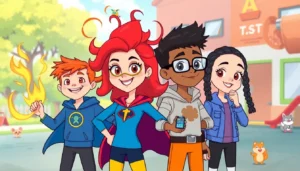
Elementary school cartoons have a magical way of capturing the chaos and charm of childhood. These animated gems not only entertain but also teach valuable lessons about friendship, perseverance, and the importance of never eating the cafeteria mystery meat. From zany characters to hilarious misadventures, these shows resonate with kids and adults alike, sparking nostalgia for simpler times.
Overview of Elementary School Cartoons
Elementary school cartoons capture the essence of childhood with vibrant animation and engaging storylines. They showcase relatable scenarios that reflect the daily adventures of young students. Characters often find themselves in humorous situations that teach valuable life lessons, from friendship to problem-solving.
Each episode typically centers around relatable themes, including overcoming fears or navigating social dynamics among peers. For example, characters may embark on quests that illustrate the importance of teamwork. Lighthearted humor punctuates the narrative, allowing both children and adults to enjoy the content from different perspectives.
Animation styles in these cartoons vary widely, featuring both traditional and modern designs. This diversity attracts a broad audience, offering something for everyone. Iconic cartoons from past decades remain popular today, often rekindling nostalgic feelings for parents.
Character development plays a significant role in enhancing viewer engagement. Dynamic personalities, like the nerdy best friend or the rebellious class clown, resonate with young audiences, ensuring the show’s appeal.
The educational aspect of elementary school cartoons can’t be overlooked. Many shows incorporate valuable lessons in a fun, entertaining way, making learning enjoyable. By blending entertainment with education, these cartoons foster curiosity and creativity among their viewers.
Overall, elementary school cartoons serve as a window into the amusing, chaotic world of youth. They inspire laughter and understanding, leaving a lasting impact on children and adults alike. Each show contributes uniquely to the landscape of childhood entertainment.
Popular Themes in Elementary School Cartoons
Elementary school cartoons often explore key themes that resonate with children. These themes promote understanding, connection, and engagement among young viewers.
Friendship and Teamwork
Friendship serves as a central theme in many elementary school cartoons. Characters frequently navigate the ups and downs of friendships, showcasing loyalty, trust, and support. Teamwork emerges in various situations, demonstrating how collaboration achieves goals that individuals cannot reach alone. Shows like “Recess” illustrate this, where diverse personalities unite to tackle challenges and stand up for one another. Viewers learn conflict resolution and empathy while enjoying the characters’ escapades. Through these storylines, children recognize the importance of building relationships and working together.
Learning and Education
Education and learning take center stage in many animated series aimed at elementary school viewers. These shows infuse academic subjects with fun, turning lessons into relatable adventures. Programs such as “Schoolhouse Rock!” cleverly merge music and storytelling to teach essential subjects like math and grammar. Characters encounter problem-solving scenarios that require critical thinking, encouraging kids to approach challenges with curiosity. Additionally, subtle moral lessons resonate throughout episodes, reinforcing the idea that knowledge empowers and shapes character.
Adventure and Exploration
Adventure and exploration thrill young audiences and inspire imagination. Many cartoons set the stage for characters to embark on wild journeys, often facing unexpected twists and turns. Shows like “The Magic School Bus” take audiences on scientific adventures that reveal the wonders of nature and the universe. Each episode captivates children through engaging narratives filled with humor and excitement. By exploring new worlds, characters foster a sense of curiosity and encourage young viewers to embrace their own sense of adventure.
Character Development in Cartoons
Character development plays a crucial role in the charm of elementary school cartoons. Creators design characters to resonate with young viewers, fostering connections that enhance storytelling.
Relatable Protagonists
Protagonists in these cartoons often mirror the experiences of elementary school children. They display relatable traits, such as curiosity, determination, and a strong sense of justice. Through humorous situations and personal dilemmas, characters like Arnold from “Hey Arnold!” engage audiences while addressing themes of friendship and resilience. Development arcs reveal their growth, allowing viewers to see changes in attitudes and behaviors. As characters undergo challenges, children learn valuable life lessons about perseverance and empathy.
Antagonists and Conflicts
Antagonists in elementary school cartoons create essential tension and serve as foils for protagonists. They challenge main characters, pushing them to confront obstacles. Characters such as the mischievous Malachai in “Recess” exemplify typical schoolyard rivals. Conflicts arise from friendly competitions, misunderstandings, or social dynamics, highlighting the intricacies of childhood relationships. These challenges encourage protagonists to work through issues while imparting lessons in conflict resolution and teamwork. By navigating conflicts, characters demonstrate that collaboration often proves more effective than individual struggle.
Impact of Cartoons on Young Viewers
Elementary school cartoons significantly influence young viewers by enriching their learning and social interactions.
Educational Benefits
These cartoons seamlessly integrate educational content within engaging narratives. Shows like “Schoolhouse Rock!” teach fundamental subjects, linking math and grammar to entertaining stories. Characters explore scientific principles in “The Magic School Bus,” inviting curiosity about the natural world. As students witness these lessons in action, retention improves, making learning enjoyable. Creativity flourishes when these shows encourage problem-solving and critical thinking. Cartoons spark interest in diverse topics, fostering a lifelong love for knowledge through fun and laughter.
Social Skills Development
Friendship and teamwork dominate the themes in elementary school cartoons. Characters frequently navigate complexities in relationships, teaching young viewers about loyalty and empathy. Interaction among characters, as seen in “Recess,” showcases collaboration in addressing challenges, inspiring viewers to embrace their friendships. Conflicts often arise from misunderstandings, providing valuable lessons in conflict resolution. Through humor and relatable situations, children learn to communicate effectively and cultivate social skills. These interactions create a community where young viewers can understand the importance of working together, adapting, and supporting one another.
Elementary school cartoons hold a special place in the hearts of viewers, blending humor with valuable lessons. Their vibrant animation and relatable characters capture the essence of childhood, making them timeless treasures. These shows not only entertain but also encourage curiosity and creativity, fostering essential social skills among young audiences.
As children navigate their school days through zany adventures, they learn about friendship, teamwork, and resilience. The engaging narratives and memorable characters leave a lasting impact, reminding viewers of the joy and chaos of their own childhood experiences. Ultimately, these cartoons serve as a delightful gateway to understanding life’s complexities while inspiring laughter and learning.