Remember those carefree days of elementary school in the 2000s? The smell of freshly sharpened pencils and the thrill of discovering new worlds within the pages of a book. For kids back then, reading wasn’t just a chore; it was an adventure waiting to unfold. From magical creatures to quirky characters, these stories ignited imaginations and created lifelong memories.
Overview of Elementary School 2000s Kids Books
Elementary school books from the 2000s captivated young readers through vibrant storytelling and relatable characters. Publishers released a variety of genres, including fantasy, adventure, and realistic fiction, ensuring that every child found something appealing. Series like “Harry Potter” and “The Magic Tree House” transported readers into extraordinary worlds, igniting imaginations.
Books in this decade often featured themes of friendship, courage, and self-discovery. Characters faced challenges that mirrored the experiences of elementary school students. As a result, children connected with protagonists in a profound way, fostering a love for reading.
Illustrations played a significant role in engaging young audiences. Lively artwork complemented the narratives, making reading sessions visually stimulating. Readers enjoyed turning pages to discover how illustrations brought stories to life.
The influence of technology also shaped children’s literature during this time. While printed books remained popular, some authors began exploring multimedia formats. Interactive stories and digital content started to emerge, appealing to the tech-savvy nature of 2000s kids.
Often, educators and parents turned to popular series to encourage reading habits. Literacy programs featured select titles that facilitated comprehension and fostered discussions in classrooms. Consequently, these books not only entertained but also educated young minds.
Overall, elementary school books from the 2000s created lasting memories, fueling a generation’s passion for reading. The unique combination of engaging stories, relatable characters, and vibrant illustrations left an indelible mark on childhood experiences.
Popular Series and Authors
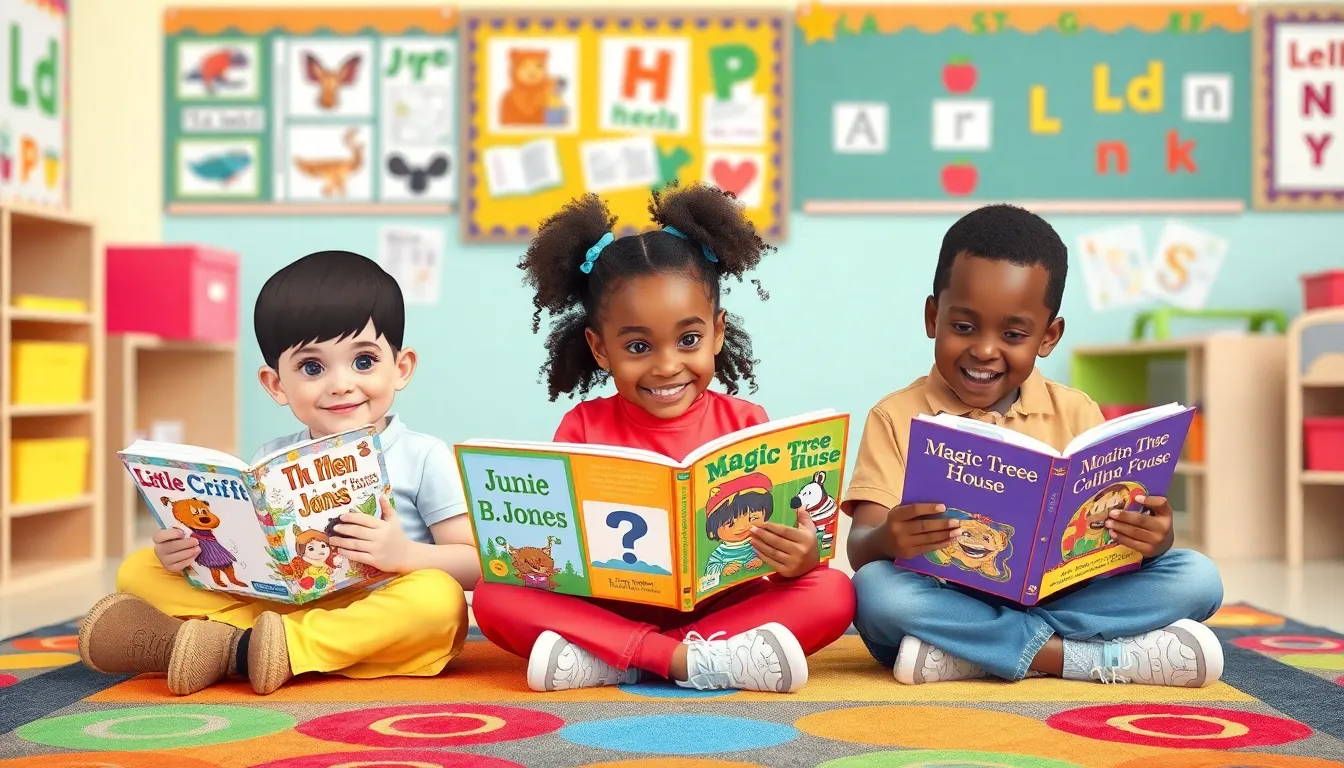
Elementary school children in the 2000s embraced a variety of beloved book series. Each series not only entertained but also inspired young readers to develop a lifelong passion for reading.
Little Critter Series
The Little Critter series, created by Mercer Mayer, captivated children with its charming anthropomorphic characters. These stories often portrayed relatable childhood experiences, from zoo visits to sibling dynamics. Younger readers connected with Little Critter’s adventures, which emphasized themes like friendship, family, and responsibility. The illustrations enhanced the storytelling, adding a visual appeal that attracted children during this era. Many educators utilized these stories to foster discussions about emotions and relationships.
Junie B. Jones Series
Barbara Park’s Junie B. Jones series also found immense popularity in the 2000s. The whimsical adventures of Junie B., a spunky kindergarten girl, delighted readers with her humorous observations and antics. Readers laughed along as Junie B. navigated challenges like school plays and friendships. This series presented valuable lessons on problem-solving and social interactions. Teachers often recommended these books for developing reading skills while encouraging laughter and engagement.
The Magic Tree House Series
The Magic Tree House series, written by Mary Pope Osborne, provided thrilling adventures through time and space. Jack and Annie traveled to different historical eras and locations, sparking curiosity about history and culture. Each book contained engaging storytelling infused with educational content, blending entertainment with learning. Readers enjoyed discovering new worlds through the characters’ imaginative quests. Schools frequently adopted this series for its ability to ignite interest in reading and exploration.
Themes and Trends in 2000s Kids Literature
The 2000s marked a transformative period in children’s literature, characterized by engaging themes and trends that resonated with young readers.
Friendship and Adventure
Friendship took center stage in numerous series, emphasizing its importance in childhood. Characters embarked on thrilling adventures, forging bonds and navigating obstacles together. “Harry Potter” illustrated the strength of friendship through Harry, Ron, and Hermione’s journeys at Hogwarts. Similarly, “The Magic Tree House” showcased Jack and Annie, siblings exploring historical events while deepening their connection. These narratives encouraged children to value their friendships and highlighted teamwork in overcoming challenges. Adventures often sparked curiosity, driving readers to explore new worlds and ideas alongside their favorite characters.
Humor and Real-Life Scenarios
Humor played a vital role in engaging young readers, making difficult topics approachable. The “Junie B. Jones” series became a staple for its amusing take on everyday scenarios. Junie’s candid perspective brought laughter while addressing issues like friendship and conflict resolution. Many authors used humor as a tool to address real-life situations, allowing children to relate directly to characters. Books like “Diary of a Wimpy Kid” blended diary entries with comedic illustrations, appealing to reluctant readers. By focusing on relatable scenarios, these stories helped children navigate their own experiences while enjoying a good laugh.
Impact on Childhood Reading Habits
Children in the 2000s experienced significant shifts in their reading habits influenced by a plethora of captivating books. Elementary school literature played a crucial role in forming these lasting habits. Engaging characters from series like “Harry Potter” and “The Magic Tree House” drew young readers in and sparked a desire for adventure through reading.
Books offered magical escapes that allowed children to explore new worlds and ideas. Teachers frequently utilized these series to cultivate reading as both an enjoyable and educational experience. Reads featuring themes of friendship and courage resonated deeply, reinforcing important values while keeping kids entertained.
Visual stimulation also played a part in fostering a love for books during this time. Colorful illustrations within beloved series helped maintain children’s interest, turning reading into an interactive and engaging pastime. Children found relatable characters in stories, allowing them to connect their own experiences to the narratives.
Popular series like “Junie B. Jones” provided humor and valuable life lessons, instilling problem-solving skills and social awareness. As children navigated the ups and downs of life through these stories, essential reading habits emerged. With a blend of comedy and relatable situations, authors effectively cultivated a generation of enthusiastic readers.
When technology began to make its mark, literature adapted alongside it. Interactive stories emerged, attracting children who might have otherwise leaned towards screens. This adaptability ensured that reading remained a priority, bridging the gap between traditional storytelling and digital advancements.
Overall, the unique blend of captivating narratives, relatable experiences, and striking visuals during the 2000s created a rich foundation for childhood reading habits that influenced future generations.
Embracing Diversity in Children’s Literature
Diversity in children’s literature flourished during the 2000s, reflecting a broader cultural shift. Many authors infused their stories with characters from varied backgrounds, promoting inclusivity in schools. Books featuring multicultural perspectives encouraged young readers to appreciate different experiences and cultures.
Titles such as “Last Stop on Market Street” by Matt de la Peña tackled socioeconomic themes while showcasing powerful lessons about empathy. These narratives helped children understand the importance of community and connection among diverse groups. Recognizing the need for representation, more stories emerged that celebrated unique identities, breaking stereotypes and broadening horizons.
Character-driven stories also mirrored children’s realities. Series like “The Penderwicks” explored themes of family dynamics while integrating friendships between characters of differing backgrounds. Readers found joy in seeing parts of themselves reflected in the characters, fostering a sense of belonging in literature.
Educators began implementing diverse literature into curricula, believing it nurtured understanding and compassion. Resources like “We Are All Wonders” by R.J. Palacio presented narratives that challenged perceptions and celebrated individuality. When children read about varied life experiences, they developed empathy, reinforcing the significance of inclusivity.
Publishers responded to this call for diversity, creating a wider range of accessible books. Authors from diverse backgrounds shared their stories, contributing to the diverse literary landscape. Diverse children’s literature not only entertained but educated young minds about the world around them, laying the foundation for a more culturally aware generation.
The elementary school experience of the 2000s was significantly shaped by the enchanting books that filled children’s lives. These stories not only entertained but also educated young readers, instilling a love for literature that would last a lifetime. With relatable characters and vivid storytelling, these books encouraged children to explore their imaginations and embrace the joy of reading.
As technology began to influence literature, the emergence of diverse narratives and interactive content marked a pivotal shift in children’s reading habits. This era laid the groundwork for a generation that values inclusivity and empathy, fostering a deeper understanding of different cultures and experiences. The impact of these beloved books continues to resonate, reminding everyone of the magic that lies within the pages of a good story.