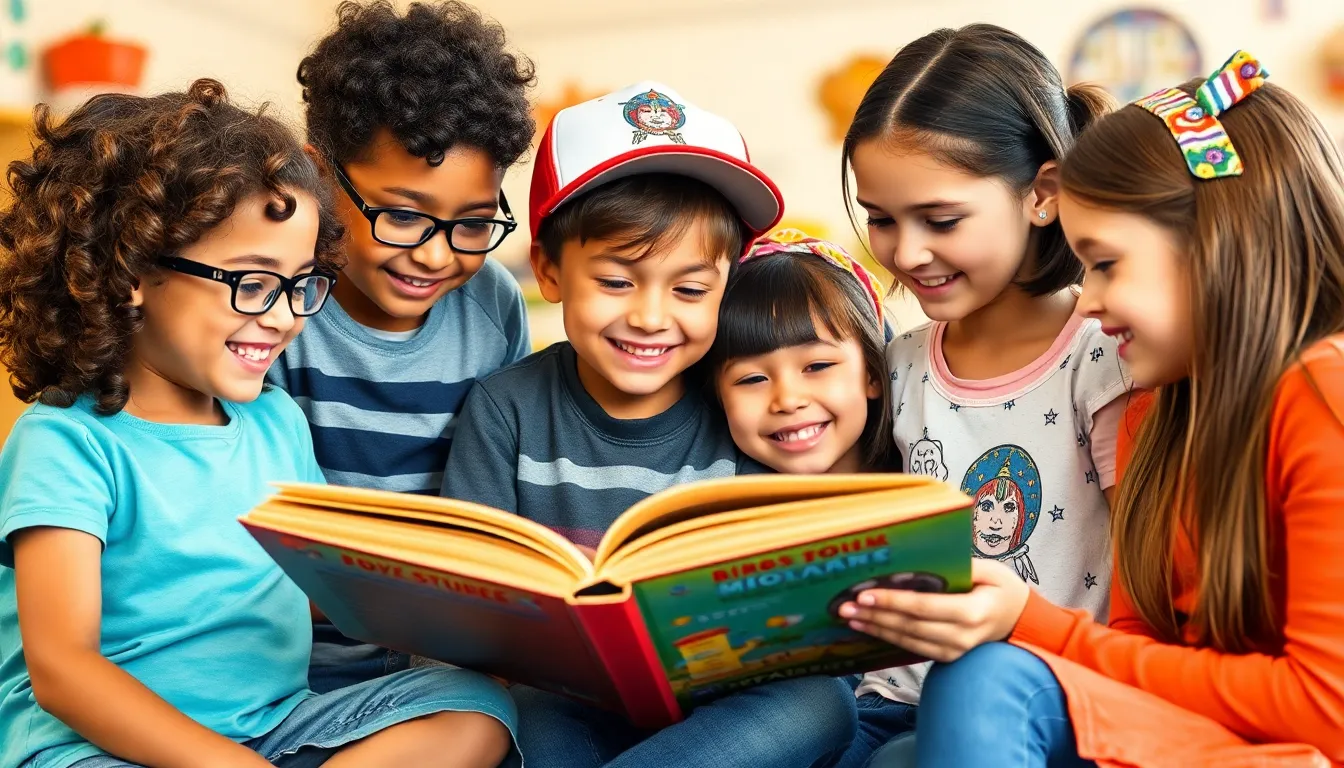
Picture this: a classroom filled with the buzz of excitement as kids dive into the pages of their favorite books from the 2000s. Those were the days when reading was an adventure, not a chore. From whimsical tales of talking animals to epic quests that sparked wild imaginations, these books shaped a generation of young readers.
In a world dominated by screens, the charm of those colorful paperbacks still holds a special place in the hearts of many. They transported kids to magical realms and taught important life lessons, all while making them giggle at the antics of quirky characters. Join in as we explore the unforgettable titles that defined elementary school experiences in the 2000s, reigniting nostalgia and perhaps inspiring a new love for reading in today’s youth.
Overview of Elementary School 2000s Kids Books
Elementary school kids’ books from the 2000s captivated young readers with imaginative stories and memorable characters. Popular series such as “Harry Potter” by J.K. Rowling and “The Series of Unfortunate Events” by Lemony Snicket created excitement and fostered a love for reading. Brightly colored paperbacks filled libraries and classrooms, inviting children to explore vast landscapes and experience remarkable adventures.
Books from this era often featured relatable themes and heartfelt lessons. Titles like “The Phantom Tollbooth” by Norton Juster introduced kids to whimsical concepts while encouraging curiosity. Authors incorporated humor and creativity, appealing to a diverse audience and sparking imaginative play.
Readers enjoyed various genres, including fantasy, mystery, and realistic fiction. Classic series like “Captain Underpants” by Dav Pilkey combined humor with engaging narratives. This blend of fun and life lessons resonated with kids, encouraging them to think critically about the world around them.
Illustrations played a pivotal role in enhancing the reading experience. Illustrators depicted lively scenes that complemented the storytelling, drawing readers deeper into the narrative. Vibrant pages sparked imagination and fostered connections with characters, making each story memorable.
During the 2000s, children’s literature underwent significant transformations. Publishers embraced diverse voices and perspectives, enriching the literary landscape. This shift promoted inclusivity, granting visibility to stories from various cultures and backgrounds.
Elementary school kids’ books of the 2000s left a lasting impact on their readers. They not only shaped childhood memories but also created lifelong readers. As nostalgia for these titles grows, revisiting them fosters connections across generations, ensuring that the joy of reading remains timeless.
Key Themes in 2000s Children’s Literature
2000s children’s literature is characterized by adventure, imagination, diversity, and inclusion. Books resonated with young readers, creating engaging experiences and fostering meaningful connections.
Adventure and Imagination
Adventure and imagination flourished in 2000s children’s literature. Titles like “Harry Potter” enchanted readers, transporting them to a world filled with magic and mystery. “Percy Jackson & the Olympians” by Rick Riordan introduced mythology in a fun, relatable way, capturing the excitement of quests and challenges. Each book allowed kids to explore new realms, sparking creativity and wonder. Series like “Artemis Fowl” pushed boundaries with clever plots and unexpected twists. These narratives encouraged children to envision endless possibilities, nurturing a lifelong love for storytelling.
Diversity and Inclusion
Diversity and inclusion gained prominence in 2000s children’s literature. Publishers recognized the importance of representing various cultures and experiences. Books like “Inside Out and Back Again” by Thanhha Lai provided insights into the immigrant experience from a young perspective. “The Crossover” by Kwame Alexander showcased relatable characters navigating challenges in their lives. Such stories encouraged empathy and understanding among readers. Rich narratives featured protagonists from different backgrounds, fostering connections across communities. This shift created a landscape where every child could find a story that mirrored their own experiences or introduced them to new ones.
Popular Series of the 2000s
The 2000s boasted a wealth of beloved children’s book series that sparked imaginations and built reading habits.
Harry Potter Franchise
J.K. Rowling’s “Harry Potter” series became a cultural phenomenon, captivating readers with its rich world and relatable characters. Beginning with “Harry Potter and the Sorcerer’s Stone” in 1997, the series grew into a seven-book saga, exploring themes of friendship, loyalty, and bravery. Young readers eagerly followed Harry and his friends, Hermione and Ron, as they navigated the challenges of growing up, magic, and their battles against dark forces. Collectively, the books sold over 500 million copies worldwide, cementing their place in literary history and inspiring a generation to embrace reading.
The Series of Unfortunate Events
Lemony Snicket’s “A Series of Unfortunate Events” introduced readers to the misadventures of the Baudelaire orphans, Violet, Klaus, and Sunny. This darkly whimsical series spanned 13 books, starting with “The Bad Beginning,” published in 1999. Each installment embraced themes of resilience, intelligence, and the importance of family despite increasingly adverse situations. Quirky, engaging prose and clever vocabulary challenged young minds while delivering poignant life lessons. The series became an essential part of children’s literature, appealing to readers drawn to both mystery and humor.
Impact on Childhood Reading Habits
Elementary school books from the 2000s significantly influenced childhood reading habits. Adventure-filled narratives captured the imaginations of young readers and fostered a lifelong love for literacy. Memorable series, such as “Harry Potter” and “A Series of Unfortunate Events,” inspired excitement and curiosity.
Cultural diversity within these stories broadened perspectives, introducing characters and experiences from various backgrounds. Titles like “Percy Jackson & the Olympians” and “Inside Out and Back Again” encouraged empathy and understanding, resonating deeply with readers.
Illustrations enriched the reading experience, making stories more engaging and accessible. Visual elements connected with children, enhancing the emotional impact of narratives. Genres flourished during this time, with fantasy and realistic fiction capturing the interest of diverse audiences.
Relatable themes played a crucial role in shaping reading habits. Books often addressed friendship, family, and resilience, allowing children to see reflections of their own lives. The blend of humor and creativity, especially in series like “Captain Underpants,” kept readers captivated and entertained.
Transformations in children’s literature during the 2000s paved the way for a more inclusive reading landscape. Publishers recognized the importance of diverse voices, providing young readers with stories that fostered connection and understanding. Ultimately, these books not only shaped childhood memories but also cultivated a community of lifelong readers who continue to share their love for reading across generations.
Memorable Characters from 2000s Kids Books
Iconic characters from 2000s children’s literature left a lasting impression on young readers. Harry Potter, the boy wizard, faced challenges in his quest to vanquish dark forces, captivating the imaginations of millions. Similarly, the Baudelaire orphans, Violet, Klaus, and Sunny, navigated a series of unfortunate events, embodying resilience amidst adversity.
Another notable character is Percy Jackson, who learned that he’s a demigod and embarked on adventures rooted in Greek mythology. He resonated with children through his bravery and relatable struggles with identity and friendship. The titular character of “Captain Underpants,” George Beard, sparked laughter and joy with his unique superhero antics and humor-filled escapades.
Winnie the Pooh, despite being a beloved classic, found new audiences through 2000s adaptations, reinforcing themes of friendship and kindness. The characters from “The Phantom Tollbooth,” Milo and Tock, encouraged curiosity and imaginative exploration in children, highlighting the importance of learning and adventure.
Series such as “Diary of a Wimpy Kid,” featuring Greg Heffley, showcased humor in everyday situations, appealing to readers navigating the challenges of growing up. Judy Moody stood out with her spirited personality and unique outlook, showing children that differences can foster understanding and friendship.
One can’t overlook the diverse characters introduced in titles like “Inside Out and Back Again.” Hà’s journey from Vietnam allowed readers to explore themes of change and resilience while nurturing empathy. These characters, among many others, played significant roles in shaping the reading experiences of 2000s kids, making literature an exciting and invaluable part of childhood.
The legacy of 2000s elementary school books continues to resonate with readers of all ages. These stories not only entertained but also educated and inspired young minds. They created a foundation for a lifelong love of reading, encouraging imagination and empathy in children.
As today’s youth explore literature, revisiting these cherished titles can reignite a passion for storytelling. The colorful characters and adventurous plots still hold the power to captivate and connect. Embracing the magic of these books can foster a new generation of readers who appreciate the joy and lessons found within their pages.