Ever wondered how old kids are in elementary school? It’s a question that might seem simple, but it opens the door to a world of giggles, crayons, and the occasional epic playground showdown. From the moment they step into kindergarten, children embark on a journey that shapes their early learning experiences, friendships, and snack preferences.
Understanding Elementary School Age
Elementary school typically serves children aged 6 to 11 years, encompassing grades one through five. This age range plays a crucial role in academic and social development. Each grade often corresponds to a specific age; for example, first graders are usually 6 or 7 years old, second graders are 7 or 8, and so on.
Children in these grades experience significant cognitive and emotional growth. Academic skills begin to flourish, and social interactions become more complex. By ages 10 and 11, fifth graders usually exhibit greater independence and responsibility.
Development varies widely among children. Some may excel in reading and math at an early age, while others might showcase strengths in creative expressions or sports. Parents and educators can observe these nuances to support individual learning paths.
School policies might vary by location, influencing the exact start age for each child. Some districts allow children to begin kindergarten at age 5, whereas others may set the starting age at 6. Understanding these parameters helps parents make informed decisions regarding school readiness.
Knowledge about the elementary school age helps in recognizing and fostering social skills, emotional regulation, and a love for learning. Engaging with children during this time enhances their educational experience and promotes healthy development.
Typical Age Range for Elementary School Students
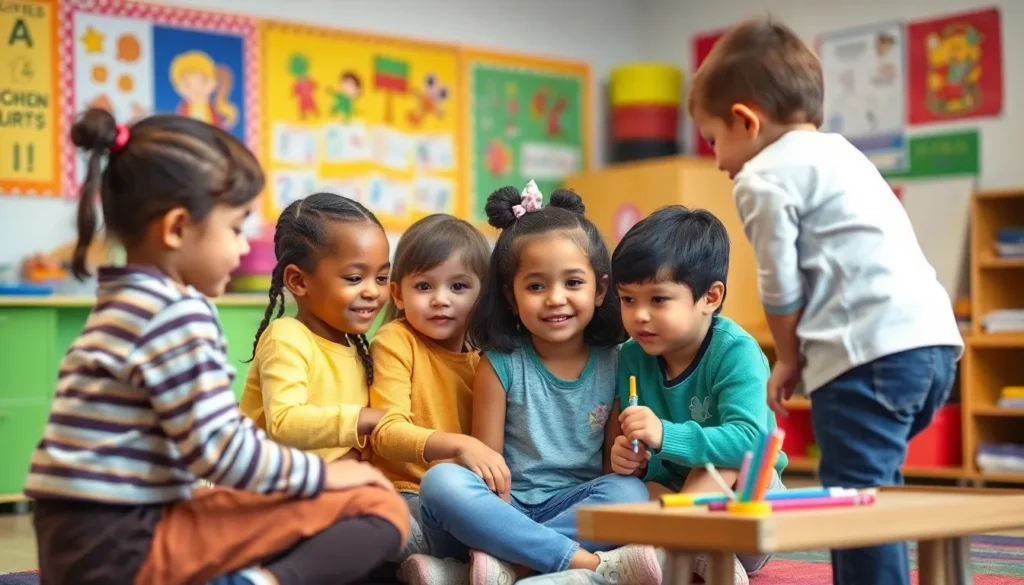
Elementary school primarily serves children aged 6 to 11 years. This range includes five grades, each aligned with specific age expectations.
Kindergarten Age
Kindergarten typically welcomes children aged 5 years. Some students may turn 6 during the school year, facilitating their transition into formal education. This crucial year introduces foundational skills, promoting social interaction and early learning experiences. Many schools emphasize play-based learning, supporting both cognitive and emotional development.
Grades 1-5 Age Breakdown
Children aged 6 to 7 years usually enter first grade. Second graders are typically 7 to 8 years old. By third grade, students generally range from 8 to 9 years. Fourth graders fall within the 9 to 10 age group. The fifth grade typically includes children aged 10 to 11 years. Each grade supports progressive skill development, encouraging academic growth and fostering independence. Understanding these age groupings aids parents in recognizing the educational journey of their children.
Factors Influencing Age Enrollment
Various factors influence when children enroll in elementary school, impacting their age at entry and overall school readiness. Understanding these factors aids parents in making informed choices about their child’s education.
School Readiness
School readiness reflects a child’s emotional, social, and cognitive development before entering kindergarten. Academic skills, such as recognizing letters and numbers, play a role, along with the ability to follow instructions and interact with peers. Children displaying readiness often adapt better to the structured environment of school. Emotional maturity also impacts readiness. Children who can manage their feelings, share, and cooperate with others show greater ease during their transition. Many districts provide guidelines outlining skills necessary for a successful start, allowing parents to assess their child’s preparedness by age 5.
Geographic Differences
Geographic differences significantly affect children’s ages when they begin elementary school. Policies vary across states and school districts, with some allowing children to enroll in kindergarten at age 5 while others have later cut-off dates. For example, some regions allow children who turn 5 by a specific date to join kindergarten, while others may require them to wait until they are 6. Cultural attitudes towards early education contribute to these variations, influencing parental expectations and practices. Consequently, children moving between regions often experience differences in enrollment age, affecting their educational experiences.
The Importance of Age in Education
Understanding age’s role in education profoundly impacts children’s learning experiences. Specific age ranges align with educational milestones that shape academic and social growth.
Academic Performance
Academic performance correlates directly with age, as children develop cognitive and language skills at varying rates. Typically, younger students may struggle with the curriculum designed for older classmates, while age-appropriate materials can enhance engagement. Research indicates that age-appropriate placement leads to improved test scores and overall learning outcomes. Around 6 to 11 years, students experience significant intellectual growth, transitioning from simple problem-solving to more complex analytical thinking. Recognizing these milestones allows educators to tailor instruction effectively, ensuring students reach their academic potential.
Social Development
Social development hinges on age, influencing children’s interactions with peers and authority figures. Younger elementary students often require more support in navigating friendships and cooperative play. Research shows older children usually exhibit enhanced social skills, demonstrating better conflict resolution and teamwork abilities. Opportunities for group activities also promote positive interactions, fostering a sense of belonging. Schools can create supportive environments that recognize these age differences, helping students build essential social competencies. Guidance during this critical developmental stage leads to healthier relationships and improved emotional regulation, shaping future social competence.
Understanding the age range of children in elementary school is vital for parents and educators alike. This stage lays the groundwork for academic success and social skills development. Recognizing the significance of each grade level helps in tailoring educational approaches that cater to children’s unique needs.
As children progress through these formative years, their experiences shape not only their knowledge but also their emotional and social capabilities. By being aware of the variations in age and development, families can better support their children’s journey through elementary education. This awareness ultimately fosters a nurturing environment that encourages growth and learning.