Kids sports aren’t just about scoring goals or hitting home runs; they’re the ultimate playground for life lessons wrapped in sweat and laughter. Imagine a world where teamwork means sharing snacks, and victory tastes like the ice cream reward waiting at the end of practice. From soccer to gymnastics, these activities offer more than just physical exercise; they cultivate resilience, discipline, and a dash of friendly competition.
Overview of Kids Sports
Kids sports encompass various physical activities designed for children of different ages. Games like soccer, basketball, and baseball not only improve fitness but also teach essential skills. Participation promotes teamwork and collaboration, as young players work together to achieve common goals.
In addition, sports build discipline among children. Regular practice schedules instill time management and commitment. Learning to adhere to team rules fosters respect and accountability.
Resilience plays a crucial role as well. Children face challenges, such as losing games or missing goals, and they learn to cope with setbacks. These experiences shape their ability to persevere in various life situations.
Physical development occurs alongside these psychological benefits. Kids improve coordination, balance, and overall strength through regular participation in sports. Research indicates that active children are more likely to maintain healthy weights and build lifelong habits.
Parents often encourage sports involvement. They observe how participation builds confidence and social skills. Various sports programs and leagues provide opportunities for children to engage with peers, forming friendships that can last a lifetime.
Ultimately, kids sports offer a well-rounded experience. They provide a foundation for lifelong fitness, personal growth, and community engagement. By fostering an enjoyable environment, children develop not only physically but also emotionally, preparing them for future endeavors.
Benefits of Kids Sports
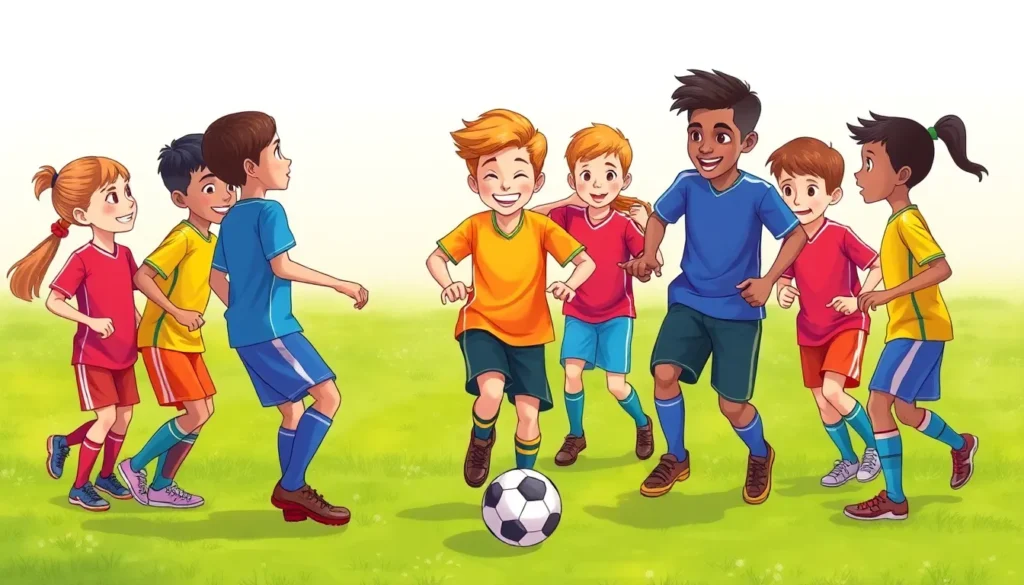
Participation in kids sports offers numerous advantages that extend beyond just physical outcomes. Children experience growth in various areas, including health and social interactions.
Physical Health
Kids engaged in sports demonstrate enhanced physical health through regular activity. These activities promote cardiovascular fitness, improve muscular strength, and boost flexibility. Research indicates that children involved in sports maintain healthier body weights compared to those who do not participate. Activities like soccer or basketball increase endurance levels significantly. Coordination skills develop as kids frequently practice essential movements, contributing to overall motor skill improvement. Engaging consistently in sports fosters a routine that encourages healthier lifestyle habits. It’s evident that active children face a lower risk of childhood obesity and related health issues.
Social Skills
Social skills flourish in youth sports environments. Kids learn teamwork as they work collectively towards common goals, which enhances communication abilities. Relationships grow stronger when children celebrate wins and support each other through losses. Sports teach conflict resolution skills, encouraging kids to handle disagreements maturely. Lasting friendships often form during practices and games, providing social support systems beyond sports activities. Participation in diverse teams exposes children to varied cultural backgrounds, enhancing their social awareness. Positive social interactions gained from sports significantly contribute to increased self-esteem and emotional intelligence.
Popular Kids Sports
Numerous sports appeal to children, catering to varied interests and skill sets. Each type provides unique benefits and experiences.
Team Sports
Team sports foster collaboration and camaraderie among young athletes. Soccer engages kids in fast-paced action while developing coordination and strategic thinking. Basketball promotes hand-eye coordination and improves communication skills among players. Baseball enhances focus and patience, often requiring teamwork to achieve success. These activities help children create friendships and learn the value of working together toward shared goals.
Individual Sports
Individual sports empower kids to take ownership of their performance. Swimming builds endurance and confidence as swimmers face the challenge of competing against their personal bests. Gymnastics introduces flexibility and discipline, allowing participants to perfect routines through dedicated practice. Tennis enhances agility and strategic thinking, while encouraging self-reliance in matches. Each individual sport offers opportunities for personal growth and development outside of group dynamics.
Choosing the Right Sport for Your Child
Selecting a sport for a child involves careful consideration of various factors. Age and interests play significant roles in the decision-making process.
Age Considerations
Children’s physical abilities and levels of interest vary significantly by age. Toddlers may enjoy introductory programs focused on fun and movement. As children grow, more structured sports options become available. By ages 6 to 8, kids typically have the coordination and social skills for team sports like soccer or basketball. At this stage, participation offers valuable opportunities for learning teamwork and competition. For older kids, around ages 11 to 14, the focus often shifts toward specialization. At this age, young athletes may benefit from sports that align with their advancing skills and personal goals.
Interests and Skills
Children’s interests and existing skills shape their suitability for different sports. A child fascinated by movement might excel in gymnastics or dance. Discovering a child’s preferences helps pinpoint activities that resonate. Skills such as coordination may indicate potential for sports like baseball or tennis. Encouraging exploration can lead to the discovery of passions. Community programs often provide trial classes, allowing kids to experiment with various sports. When a sport aligns with a child’s interests, participation becomes enjoyable, fostering commitment and enthusiasm.
Encouraging Participation in Kids Sports
Engagement in kids sports requires a supportive environment. Parents play a crucial role by inspiring children to try various activities based on their interests and abilities. Creating opportunities for them to explore different sports fosters enthusiasm and commitment.
Active involvement from family enhances the experience. Parents can attend games, cheer from the sidelines, and celebrate achievements, regardless of how big or small. Encouragement goes beyond just winning; it builds resilience and a love for physical activity.
Offering consistent exposure to sports promotes lifelong habits. Community programs often provide trial classes, making it convenient for kids to sample multiple activities. Finding a sport that resonates with a child’s preferences leads to sustained interest and enjoyment.
Setting realistic goals helps in reinforcing motivation. Parents and coaches can collaborate to emphasize personal growth rather than solely focusing on competition. This approach encourages kids to appreciate their progress, whether it’s mastering a new skill or improving teamwork.
Providing a balanced experience is essential. Diverse sports programs teach vital social skills and instill values like respect, discipline, and collaboration. Each sport contributes uniquely to a child’s development, guiding them toward broader social interactions and improved self-esteem.
Establishing friendships through sports enriches the experience. Many kids build lasting relationships with teammates, fostering a sense of belonging. Such connections create a positive atmosphere that encourages regular participation and overall well-being.
Ultimately, motivation and support enable children to thrive in sports, leading to physical fitness, social skills, and enhanced confidence.
Kids’ sports offer a wealth of benefits that extend far beyond physical fitness. They create opportunities for children to learn essential life skills like teamwork and resilience while enjoying the thrill of competition. Engaging in various sports helps kids develop not only their physical abilities but also their social skills and emotional intelligence.
With the right support from parents and communities, children can explore different activities that align with their interests. This fosters a love for physical activity that can last a lifetime. Ultimately, kids’ sports play a pivotal role in shaping well-rounded individuals who are prepared for future challenges both on and off the field.