Shocking your pool can feel like a dramatic scene from a movie—one moment it’s calm and inviting, and the next, it’s bubbling like a witch’s cauldron. But before diving back in for a refreshing swim, there’s a crucial question on every pool owner’s mind: how long should they wait after shocking their pool?
Importance Of Shocking A Pool
Shocking a pool plays a critical role in maintaining water quality and safety. This process eliminates contaminants such as bacteria, algae, and organic debris that accumulate over time. Frequent shocking ensures that the pool remains sanitized, providing a safe and inviting swim environment.
New pool water requires this initial shock treatment to establish a clean baseline. Regularly shocking effectively balances chemical levels, achieving optimal pH and chlorine concentrations. Unshocked water leads to cloudy appearances and unpleasant odors, discouraging swimmers from enjoying the pool.
After heavy use, shocking becomes essential for preserving water clarity. High swimmer counts introduce body oils, sweat, and other impurities. Addressing these issues quickly maintains the pool’s visual appeal and functional quality.
The ideal frequency for shocking varies based on factors like pool type, usage, and environmental conditions. Weekly treatments often suffice for residential pools, while commercial facilities may require more frequent interventions. Understanding these requirements helps pool owners proactively manage their water environments.
During the summer months, algae growth can escalate. Shock treatments help combat this issue effectively, often recommended several times throughout the season. Consistent maintenance directly correlates with swimmer health and overall pool enjoyment.
Investing in proper shock treatments yields long-term benefits, saving money on repairs and chemical imbalances. Owners experience reduced maintenance costs and extended equipment lifespan by preventing contamination. Therefore, regular shocking remains a key component of effective pool management.
Recommended Waiting Period
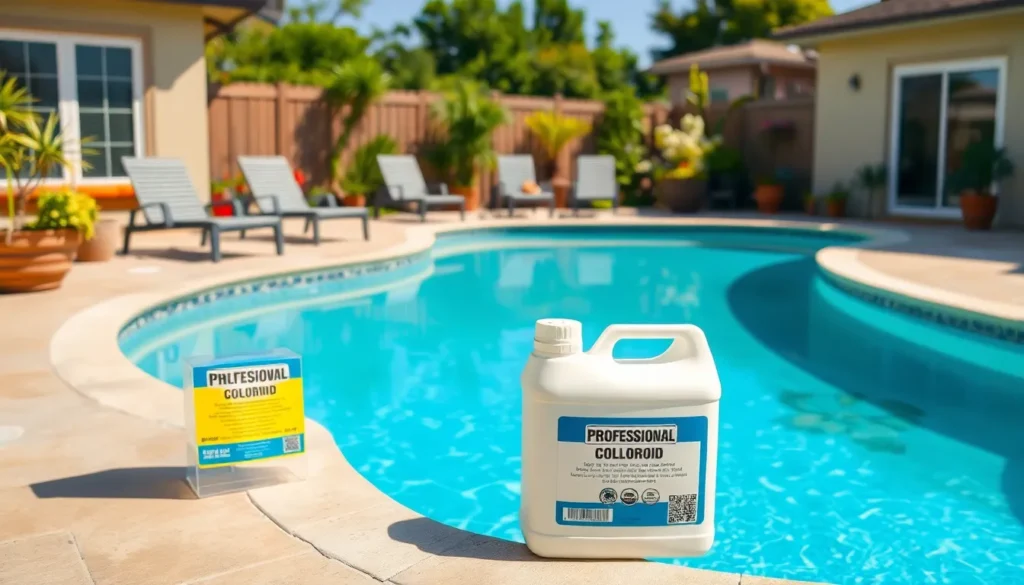
After shocking a pool, pool owners must wait before swimming to ensure water safety. The recommended duration varies based on several factors.
Factors Influencing Waiting Time
Water temperature impacts chlorine effectiveness. Higher temperatures may require longer waiting periods, while cooler water allows faster chlorine dissipation. Pool size also matters; larger volumes dilute chlorine faster than smaller pools. Additionally, the type of shock used determines the waiting time. For instance, liquid chlorine may require less wait compared to solid chlorines. Rainfall and environmental contamination can prolong the need to wait, as outdoor pools might then contain additional impurities compromising water quality.
General Guidelines For Waiting
Generally, the standard waiting period is around 24 hours after shocking a pool. This timeframe allows chlorine levels to drop to safe limits, ensuring safety for swimmers. Users can test water after this period to confirm chlorine levels are within recommended ranges, typically below 5 parts per million. Certain conditions may affect this guideline. For highly contaminated water or after heavy usage, a 48-hour wait might be necessary. Solar exposure also helps speed up chlorine evaporation, further influencing the recommended wait time.
Signs That It’s Safe To Enter
Chlorine levels below 5 parts per million indicate safety for swimming. Testing the water with a reliable test kit provides accurate results. Color adjustments in the water can suggest proper chemical balance. Cloudiness often clears up after shocking if proper time is allowed.
Swimmers should observe for any lingering odors. A strong chlorine smell often signals elevated chlorine levels, which can be harmful. Clear water generally signifies that the shock process worked effectively. Chemical levels will stabilize after the waiting period.
Wait for at least 24 hours post-shocking before entering. In cases of heavier contamination, extending the wait to 48 hours may be beneficial. Regular testing ensures that swimmers enjoy a safe environment.
Visible contaminants and algae can warrant further shocking sessions. If the water appears dull or green, additional measures may be necessary. Maintaining clean water not only enhances appearance but also safeguards swimmer health.
Listen for feedback from swim players regarding water quality. Their input can often signal balance issues that might require attention. Swimmers’ comfort remains a significant indicator of water safety.
Assessing these signs will assure that the pool remains a safe and enjoyable space. Recognizing the cues will help maintain optimal swimming conditions.
Common Mistakes To Avoid
Neglecting to test water chemistry post-shock leads to unnecessary risks. Chlorine levels can remain high after shock treatments. Skipping the testing phase may result in swimming without confirming safety first.
Overloading the pool with shock treatment is another common mistake. Using excessive shock can cause a transient spike in chlorine levels, creating an unsafe swimming environment. Following product instructions is essential for proper treatment amounts.
Swimming too soon after shocking also poses dangers. Many pool owners jump in without waiting the recommended 24 hours. This impulsive decision can expose swimmers to unsafe chlorine levels.
Failing to consider environmental conditions presents another risk. High temperatures and sunlight can alter chlorine effectiveness, necessitating longer wait times. Pool owners should adjust their approach based on current weather conditions.
Ignoring visible signs of contamination leads to further complications. Remaining algae or cloudiness often indicates the need for additional shock treatments. Observing the water quality assists in maintaining safety standards.
Relying solely on timing rather than testing can result in problems. While general waiting periods exist, utilizing a reliable test kit provides crucial data. Trustworthy readings ensure swimmers enjoy a safe experience.
Not maintaining regular shock schedules can compromise water quality. Allowing extended intervals between treatments can lead to bacterial buildup and cloudy water. Instituting a routine maintenance plan enhances pool hygiene and swimmer safety.
By avoiding these pitfalls, pool owners optimize the shocking process. Prioritizing proper practices ensures a clean and enjoyable swimming environment.
Waiting the appropriate amount of time after shocking a pool is crucial for ensuring swimmer safety and water quality. By adhering to the recommended waiting periods and testing chlorine levels, pool owners can create a safe swimming environment. Regular shocking not only maintains clarity but also helps prevent future contamination. Recognizing signs that indicate it’s safe to swim can enhance the overall pool experience. Ultimately, understanding these guidelines allows for effective pool management and contributes to a healthier and more enjoyable swimming atmosphere.